
Few moments are as satisfying as dropping the needle on your favorite LP and hearing the crisp introduction of a beloved song. The ritual of listening to vinyl creates a unique connection, but those crackles and pops from stubborn dust spots disrupt the experience. Spot cleaning vinyls, when done skillfully, brings records back to life without risking damage.
Vinyl enthusiasts know every record tells a story, but surface noise tells a story too—usually about maintenance slipups or incorrect cleaning attempts. With the right approach, you can tackle isolated grime and fingerprints while preserving sound quality for years.
If you’re curious how to revive clarity in just a few crucial spots—without risking unsightly scratches—this guide will walk you through concrete, proven steps. You’ll discover pro techniques, practical checklists, and tools tailored specifically for spot cleaning vinyl records with confidence.
Understanding Risks and Realities When Spot Cleaning
Targeted spot cleaning offers a practical way to maintain your vinyl between deep cleans. Doing it wrong, though, might harm delicate grooves and permanently scar prized records. Knowing the pitfalls is your safeguard against mistakes.
Unlike CD or digital management, vinyl demands tactile care. When targeting one area, every material and gesture counts toward preventing both audible and invisible damage. Let’s pinpoint what to watch for and how to act with precision.
Difference Between Surface and Embedded Contaminants
Surface dirt responds well to gentle cleaning, but embedded particles can dig into grooves if dislodged carelessly. Each requires a slightly different tool and touch to avoid permanent harm.
Visible dust floats on the record’s walls, while sticky fingerprints cling deep. Spot cleaning vinyl accurately means identifying what you’re dealing with before picking up your brush or cloth.
A fingerprint might need a slightly dampened microfiber cloth, but caked-on grime benefits from a dedicated solution. Matching your method to the problem ensures safe, thorough results.
Common Missteps: What to Avoid in Every Session
Dragging an ordinary paper towel across a record attracts micro-abrasions and static. Products not designed for vinyl, such as window cleaners, leave residue that attracts more dirt or alters audio quality.
Applying heavy pressure, especially with circular motions, pushes grit further into grooves. Instead, use feather-light motions and always wipe along the grooves, never across them.
If you sense friction or resistance, stop and check your cleaning tool. Replace or clean brushes and cloths regularly to avoid redepositing grime or acting as sandpaper on your collection.
| Tool | Main Use | Risk Level | Best Practice |
|---|---|---|---|
| Microfiber Cloth | Gentle dusting and fingerprint removal | Low | Use dry or barely dampened, wipe with grooves |
| Carbon Fiber Brush | Light static and dust removal | Low | Apply light pressure, move in groove direction |
| Cleaning Solution | Breaking down oily residues | Medium | Dab, don’t soak; avoid label area |
| Wooden Toothpick | Lifting particles from grooves | Medium | Use only with magnification and steady hand |
| Paper Towel | Never recommended | High | Avoid to prevent abrasions and lint deposits |
Choosing Safe Tools and Reliable Cleaners
Every spot cleaning task succeeds or fails based on the tools and formulas you select. Trying to improvise with generic household products makes damaging vinyl much more likely. Prioritizing dedicated vinyl cleaners lowers your risk.
Read labels to confirm cleaning fluids are alcohol-free and marked for LPs. A safe cleaning kit usually contains a carbon fiber brush, plush microfiber towel, and a gentle solution designed exclusively for vinyl.
Recommended Tools for Quick and Scratch-Free Spot Cleaning
Selecting the right instruments doesn’t just protect your LPs—it also simplifies the process, making spot cleaning vinyl a stress-free routine. Consider assembling a kit tailored for your workflow and skill level.
- Choose a high-density microfiber cloth: It grabs dust without scratching and works dry or barely dampened, ideal for all routine touch-ups—keep several available for rotation.
- Use a carbon fiber anti-static brush: Removes the lightest dust while reducing static before spot-cleaning. Start every session with a quick sweep before applying liquids to stubborn spots.
- Opt for vinyl-only cleaning solutions: Alcohol-free and residue-free, these break up fingerprint oils without leaving a sticky film that attracts fresh dust later.
- Add a precision squeeze bottle or dropper: This lets you apply tiny amounts of cleaning fluid exactly where it’s needed, reducing the risk of label staining or over-wetting grooves.
- Keep a magnifying glass handy: Allows you to inspect problem areas closely so you don’t press hard where a soft touch is essential. Check grooves for shiny residues or remaining dirt.
Tool selection should match both your records and comfort level. Don’t hesitate to invest in specialized brushes or premium cloths if you own high-value or rare LPs—prevention pays dividends in clarity and longevity.
Mixing and Storing Your Own Cleaning Solution
If you prefer DIY mixes, combine distilled water with a few drops of gentle soap—never dish soap. Shake well each time and store away from sunlight. Never use tap water, as minerals and chemicals can stick to the grooves.
Well-chosen, well-maintained tools last longer and help each spot cleaning vinyl session stay efficient and effective. Place your kit nearby your turntable to encourage frequent light touch-ups rather than infrequent aggressive cleans.
Daily Routines That Prevent Trouble Spots
Preventing new problem areas reduces the need for intensive cleaning. Smart routines let you enjoy your full collection without worrying about restoring favorite records month after month. Tiny habits add up to big preservation wins.
Before playing any LP, do a quick sweep with your anti-static brush. This keeps airborne dust from embedding in grooves, reducing the need for future spot cleaning vinyl actions and extending each record’s lifespan dramatically.
Protective Handling: Keeping Hands and Surfaces Clean
Always handle records by their edges or the label, never touching the grooves themselves. This eliminates fingerprints and oily spots at the source. Store records in anti-static sleeves and keep surfaces free of clutter and crumbs.
Clarity remains longest in collections where users wash and dry hands before contact. If you’re sharing your collection with others, consider demonstrating the correct handling method every time a new guest joins a listening session.
Analogous to keeping fingerprints off a camera lens, handling with clean hands avoids stubborn spots before they ever form. Spot cleaning vinyl then becomes a rare, gentle intervention rather than a constant necessity.
Safe and Effective Spot Cleaning Techniques—Step by Step
Using proven methods ensures the best result with minimal risk. Here’s a simple checklist to follow for each targeted clean, allowing you to tackle isolated pop or crackle issues with confidence every session.
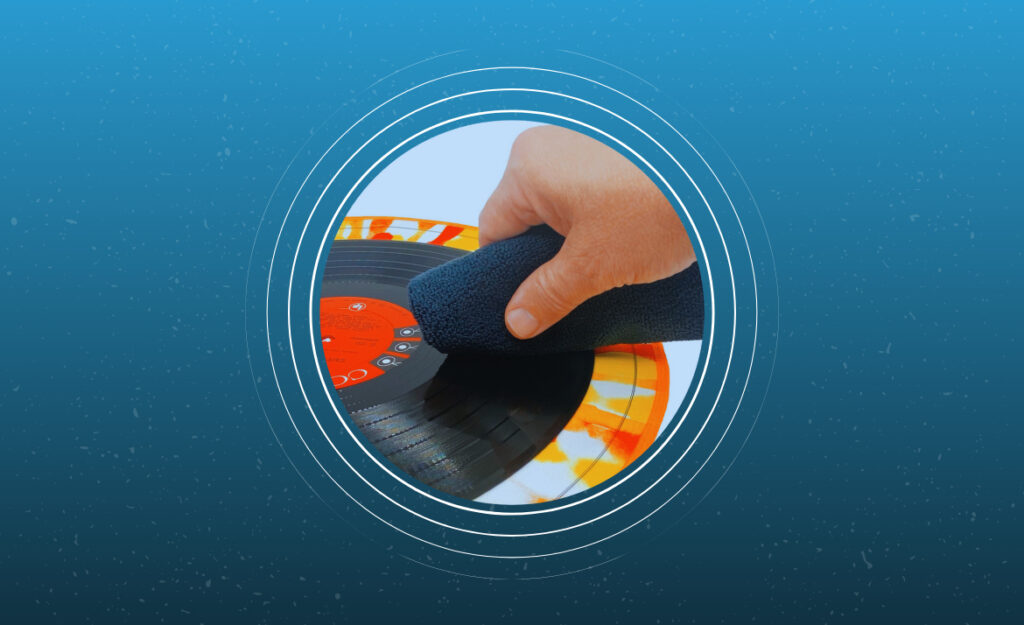
Move systematically—never rush or skip steps. If you notice a visible contaminant, start by gently brushing with a carbon fiber brush, then switch to a dampened microfiber cloth for deeper cleaning. Always support the record on a soft, clean surface.
- Start with a carbon fiber sweep to clear loose dust, paying extra attention to the problem area but not scrubbing.
- Dampen a high-quality microfiber cloth using only a few drops of vinyl-specific cleaning solution, avoiding oversaturation that would reach the label or edge.
- Rub lightly along the groove’s direction, never across—micro-scratches from side-to-side motions are nearly impossible to reverse.
- Let the spot air-dry for a few seconds before checking with a magnifier. If the issue persists, repeat using a clean cloth section each time to prevent re-depositing dirt.
- Return the LP to its sleeve immediately, storing it upright and moving on to another record only once you’re sure it’s wholly dry.
Spot cleaning vinyl is safest when you maintain gentle, intentional motion. Never force debris out, and always pause if you encounter resistance. The right tool, method, and patience keeps the surface sparkling and the sound pure well into the future.
Responding to Recurring Problem Spots
If you consistently see grime in the same place, review your storage and handling routines. Recurrent spots might point to a dirty sleeve, turntable mat, or unwashed hands during handling. Swap any suspect accessories for clean, anti-static versions.
In situations where a stubborn pop lingers even after spot cleaning vinyl, it may be a microscopic groove defect, not surface debris. These require expert restoration.
Be patient—one careful spot cleaning gives better results long-term than repeated aggressive scrubbing. If in doubt, get a professional’s opinion before risking permanent loss.
Environmental Factors: Creating a Vinyl-Friendly Space
Control your listening and storage environment for the most consistent results from every spot cleaning vinyl task. Conditions in the room affect how much dust and grime accumulate on your records.
Keep humidity between 40% and 60% to minimize static buildup and warping. High humidity breeds mold, especially in tightly closed cabinets. Use a hygrometer and adjust as needed with a dehumidifier or open windows.
Air Quality and Storage: Practical Strategies
Avoid storing records near kitchens, fireplaces, or open windows. Cooking fumes and smoke set sticky residues that can permanently bond with vinyl. Place LPs upright in protective sleeves, preferably on a dedicated shelf away from direct sunlight.
Enclose your collection or use dust covers on your turntable. Change HVAC filters regularly and consider an air purifier for large rooms to catch airborne particles before they settle.
Analogous to keeping books away from moisture and heat, giving records a dedicated, climate-controlled corner extends cleanliness and ensures each spot cleaning vinyl session starts from a strong baseline rather than constant crisis mode.
Seasonal Adjustments for Year-Round Purity
Every season introduces new risks: in winter, static rises with indoor heating; in summer, dust storms and pollen enter open windows. Update both cleaning frequency and tool choice with every change in climate.
During allergy season or after home renovations, reduce spot cleaning workload by upping your use of anti-static sleeves and sealed cabinets. This approach gives future maintenance an easier start.
Spot cleaning vinyl will remain effective if your home environment works with you rather than against you—small daily tweaks help you get the best from every LP in any weather.
Conclusion: Lasting Clarity Through Mindful Care
Spot cleaning vinyl records lets you keep your music collection in top-notch condition with minimal fuss. Every method discussed nurtures both sound quality and the tactile pleasure of analog listening.
A little daily vigilance—gentle touch, the right tools, and a dust-free environment—underscores the art of preservation for enthusiasts and newcomers alike. These steps invite every LP to offer up its best performance, spin after spin.
Even if only a fraction of your records ever need spot cleaning vinyl, mastering these routines pays back in years of noise-free, immersive listening. Mindful habits today yield unforgettable musical clarity tomorrow.