Vinyl collectors know that the right cleaning routine makes all the difference. People obsess over cartridge types, yet record brush types get overlooked, despite their crucial part in preserving audio purity.
The world of vinyl is richer than ever, but dust, static, and grit persist from garage finds to new pressings. Selecting and using the ideal record brush types ensures every groove stays true to its promise.
This article explores each major brush type, how to wield them with confidence, and which routines safeguard your cherished records from wear, static, or missed detail.
Identifying Essential Record Cleaning Brushes Like an Expert
Knowing the differences between brush types sets the foundation for effective record care. Distinguishing these tools empowers you to choose for surface build-up, static reduction, or deep cleaning tailored to specific listening habits.
Selecting the right brush for the right task saves you time and protects your records. Each brush offers strengths, so understanding each one’s structure and application helps maintain your vinyl in top shape.
Carbon Fiber Brushes: Lightweight Dust Detectors
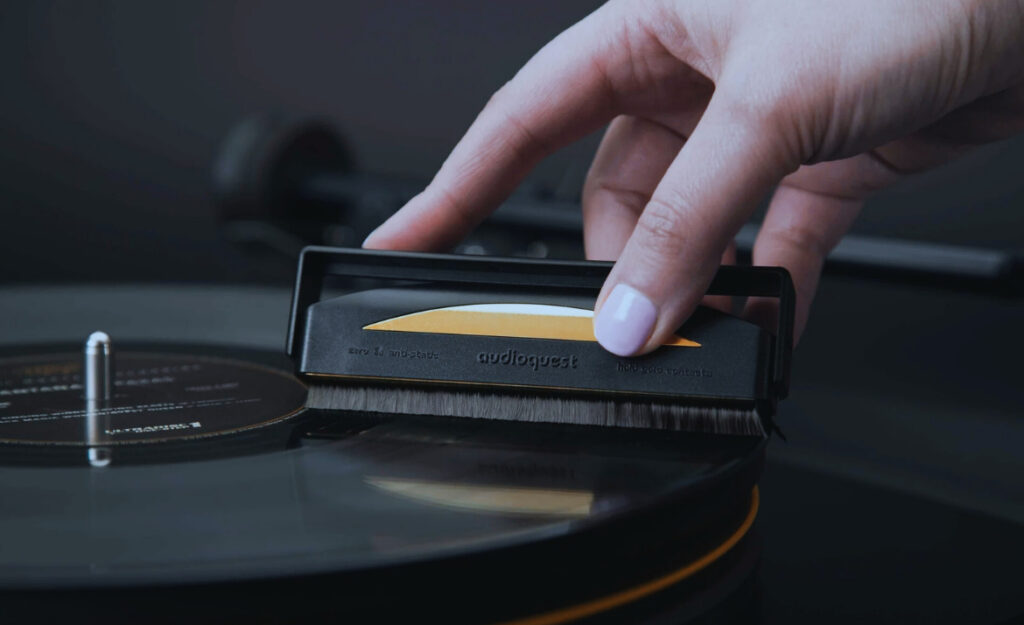
Carbon fiber brushes excel at lifting dry dust and loose debris before stylus contact. The ultra-fine bristles glide across vinyl without scratching, and just holding the handle lightly allows static to dissipate with every stroke.
Imagine someone running a carbon fiber brush a few times around a spinning LP, watching dust collect along the bristle edge. This simple step means fewer pops and improved stylus lifespan on every playthrough.
For best results, always glide the brush slowly from center to edge, then lift gently to trap dust. Using brief, repeated sessions prevents static re-attraction and leaves the grooves pristine for your next needle drop.
Velvet Pads: Wide-Surface Cleaners for Regular Use
Velvet pads, broader and softer than carbon fibers, work wonders on fingerprints and oily patches. Their plush surface covers more area, making them excellent for everyday quick cleans just before or after playback.
Press the pad flat against a rotating record and sweep in a smooth arc. This distributes gentle pressure while picking up fine dirt and minute particles missed by dry brushes alone.
Combine a velvet pad sweep with a carbon fiber brushing for maximum effect—a two-step routine trusted in any serious record care setup, especially when transitioning a record from storage to the turntable.
| Brush Type | Material | Main Use | Takeaway for Practitioners |
|---|---|---|---|
| Carbon Fiber | Ultra-fine conductive fibers | Dry dust removal, static reduction | Use before each play for dust and to minimize static buildup |
| Velvet Pad | Synthetic or natural velvet surface | Fingerprints, oils, soft residue | Combine with light cleaner for deeper, gentle cleaning |
| Mini Brush | Nylon or synthetic hair | Hard-to-reach grooves, spot cleaning | Target stubborn dirt or spot clean after dusting |
| Static Removal Brush | Conductive synthetic blends | Neutralizes static cling | Employ after velvet/mini cleaning for anti-static finish |
| Wet Cleaning Brush | Soft, absorbent bristles | Paired with liquid for deep cleans | Reserved for grimy, thrifted records; allow full drying |
Building a Go-To Brush Kit for Every Record Lover’s Needs
Equipping yourself with a core set of brushes, each fulfilling a distinct role, guarantees efficiency and confidence. A multi-brush approach lets you adapt to fast cleaning, deep restoration, or anti-static preparation before settling in for a listen.
Effective routines become second nature when the brushes you need are always at hand. A kit covering light dust, static, grime, and targeted detail cleaning takes minimal space but brings maximum preservation.
Key Brushes: Must-Haves for Any Vinyl Setup
A basic kit starts with carbon fiber and velvet pad brushes. Carbon brushes tackle everyday static and airborne debris, while velvet pads remove trace oils with quick sweeps.
Specialty brushes—like mini groove brushes for tough spots—join the rotation when you see visible fingerprint smudges or acquire records with persistent marks in hard-to-reach corners.
Anti-static brushes, built with blended synthetic/conductive materials, finish sessions by neutralizing pops and crackles, especially useful after using any liquid cleaners or in dry climates.
- Pair a carbon fiber brush with your turntable for everyday dust—just a few gentle passes before stylus drop ensure clean playback each time.
- Use a velvet pad when storing or unboxing records. Run it over the entire surface to lift residual oil and help tracks play quietly.
- Apply a mini brush specifically for groove inspection. Tackle visible dirt or stuck-on particles by focusing on problem areas without over-brushing the whole disc.
- Bring in a wet cleaning brush when thrifted or older records fail the noise test. Use only with designated cleaners and allow records to air dry fully before play.
- Keep an anti-static brush on the equipment rack for last-minute static reduction, especially in dry months. Two passes can dramatically reduce crackle at the needle drop.
A complete record care kit prevents minor problems from becoming permanent flaws. Rotating brushes based on visible need, storage time, or type of contaminant offers maximum protection.
Brush Handling Myths Dispelled
Misusing a brush by pushing, twisting, or aggressive scrubbing risks embedding debris and damaging grooves. Instead, sweep gently in line with record rotation, never pressing past light contact for reliable cleaning.
- Avoid circling backward; always move with the direction of the grooves to pick up rather than push dirt deeper. Accuracy beats force every time.
- Never reuse a visibly dirty brush without cleaning the bristles—embedded dust can act like sandpaper, risking surface wear and permanent pops.
- Store brushes away from open air and dust. Use protective cases or covers to prevent transfer of unwanted particles back onto vinyl.
- Replace brushes that show obvious wear or splayed bristles. Older tools lose effectiveness and can compromise the delicate cleaning process.
- Always pre-test new cleaning fluids with a brush on an expendable record. Watch for residue or streaking before using on prized vinyl.
Disciplined brush routines prevent missteps and extend both stylus and record lifespan. Practicing proper handling today pays off in sound quality tomorrow.
Troubleshooting Common Cleaning Scenarios with Purposeful Brush Use
Deploying the right brush at the right moment lets you diagnose and fix issues, from light surface fuzz to caked-on grime. Each scenario calls for a distinct response, ensuring smart intervention rather than accidental damage.
Persistent noise or visible haze indicates it’s time for a change in tool or technique. Active troubleshooting with record brush types restores fidelity while minimizing risk, even with thrift finds or legacy discs.
Scenario: Static Build-Up Despite Regular Cleaning
Static may remain even after repeated brushing with standard tools. If you notice records clinging to slips or stylus pops, it’s time for a dedicated anti-static brush.
Gently pass this brush twice along the grooves in sync with rotation. The blend of conductive fibers helps neutralize charge and cuts pops almost instantly.
Double-check by cueing up a quiet track and listening for reduction in background crackle. Swapping to anti-static tools verifies the static’s source and builds peace of mind.
Scenario: Spot Cleaning Stubborn Marks or Groove Residue
When a smudge or grit stays after regular dry-brushing, bring in a fine-tipped mini brush or a velvet pad with a drop of approved cleaner.
Let the record spin slowly, focus the mini brush only on the affected area, and gently flick debris away from the grooves—never push inward, always outward.
For stubborn marks, combine a brief damp velvet clean with immediate drying using a soft microfiber cloth. Test the record again; less noise confirms a targeted, effective cleaning.
Cultivating Longevity and Clarity with Tailored Brush Techniques
Consistent vinyl maintenance with the right record brush types pays off in crystal-clear sound and longer record life. Each brush purpose—dust, static, oil, or focused grime—supports playback and enjoyment, record after record.
Thoughtful cleaning routines combat wear before it starts. Preserving all details, even in budget pressings, builds pride in your collection and offers a deeper connection to your favorite artists.
Try a brush rotation that fits your habits. Fine-tune those steps over time, and you’ll find every listening session rewards you with sonic precision only possible through mindful, manual record care.