
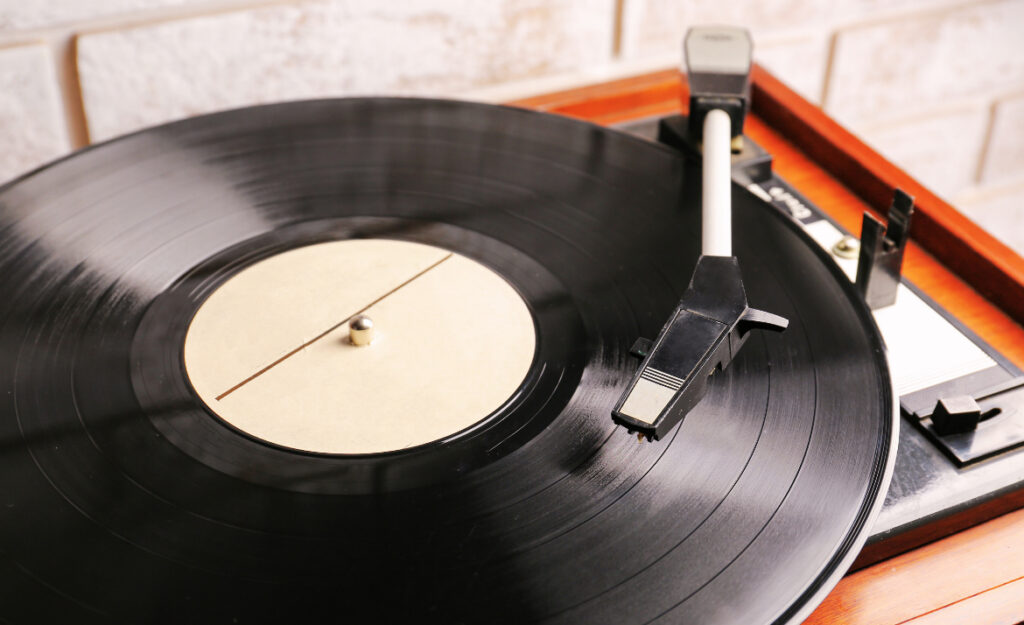
If you’ve ever settled in to experience a favorite record and heard a sudden skip, you know the frustration of disrupted sound. Behind every skip, the mechanics of tonearm protection play a silent but crucial role. Vinyl enthusiasts understand that protecting a turntable’s tonearm isn’t just about longevity—it’s about pure, uninterrupted listening pleasure.
Skipping records can be traced to several causes, but one major culprit is improper tonearm care. Understanding the relationship between the tonearm, cartridge, and record grooves can mean the difference between a seamless glide and those unwelcome sonic hiccups. Physical forces can be subtle, yet their impact is immediate.
This article unpacks actionable strategies for tonearm protection, each designed to address the real-life challenges vinyl lovers face. Stay with us to learn clear maintenance steps, specific set-up techniques, and overlooked habits that could be undermining your audio experience.
Fine-Tune Your Tracking Force for Smooth Playback
Optimizing your turntable’s tracking force is one of the fastest ways to prevent skipping. Accurate setup means your cartridge rides grooves exactly as intended, minimizing stress and wear.
Many people treat tracking force as a set-it-and-forget-it task, but cartridge changes, stylus replacements, and environmental changes can shift things out of balance. Checking with a stylus gauge every few months keeps performance reliable and safe.
Finding the Manufacturer’s Sweet Spot
Manuals give a recommended tracking force range, like 1.5–2 grams. Dial in the middle at first, and use small adjustments up or down to see what sounds best. If skips persist, move up in 0.1-gram increments and test each time on a familiar record.
People sometimes complain, “My stylus jumps even after I set it right.” Watch your tonearm in action; if it bounces lightly, there’s too little force. If records sound muddy, you might have too much. Small tweaks deliver big results.
Imagine tuning a guitar string—just a slight turn makes a world of difference. Treat tracking force the same way: precise and gentle. Print your preferred tracking force next to your turntable for quick reference.
Prevent Drift with a Level Platter
No matter how carefully you align the tracking force, a tilted turntable undermines everything. A bubble level helps spot slight table slants. Place it dead center for the truest reading.
Environment plays a role here. Floors settle, stands shift, and furniture gets bumped. Even a slight lean can pull the arm away from optimal alignment and promote skipping, so add leveling to your seasonal tune-up routine.
If your spirit level shows a tilt, slip thin furniture pads beneath the low side. Stable surfaces keep vibrations low and the stylus riding where it should, regardless of room layout or size.
| Adjustment | Purpose | Observable Sign | Action Step |
|---|---|---|---|
| Tracking Force | Maintain stylus contact | Skipping or distortion | Check gauge and reset |
| Anti-Skate | Balance arm drift | Arm pulls inward/outward | Adjust dial per cartridge specs |
| Platter Level | Ensure proper alignment | Records slide or skip | Recheck bubble level |
| Cartridge Alignment | Keep stylus in groove | Playback sounds off-center | Use protractor tool |
| Tonearm Rest | Secure arm when idle | Accidental movement, bumps | Always engage rest after use |
Keep Cartridge and Stylus Clean for Reliable Tracking
A well-maintained stylus works wonders for tracking and tonearm protection. A dirty stylus struggles to stay in the groove, triggering skips even on pristine vinyl. Plan regular care to hear every detail your records contain.
Grit and dust on the stylus act like gravel in a shoe: tiny annoyances that quickly grow into big problems. By removing debris, you safeguard both your needle and your vinyl from premature wear.
Precision Cleaning with the Right Tools
Gentle stylus brushes provide safe, effective cleaning. Move in the same direction as the stylus travels—front to back. This reduces risk of bending the cantilever or breaking the tip.
- Brush stylus tip after every listening session to remove lint before buildup hardens.
- Avoid using toothpicks or fingers; they’re too rough. Trust tools made specifically for stylus care.
- Gel pads lift particles safely. Press the stylus down, lift, and repeat if needed. Change pads regularly for best results.
- Liquids can help dissolve caked grime, but always double-check your cartridge’s fluid compatibility to avoid loosening adhesives.
- Replace the stylus brush when bristles show any signs of splaying or wear. Old brushes can cause more harm than good.
Even the cleanest stylus will pick up airborne dust. Monitor closely and respond to audible pops or clicks with a quick brush before damage accumulates.
Maintain Clean Records and Environment
Records themselves attract dust and dirt, so a clean environment is critical for both stylus longevity and tonearm protection. Use antistatic brushes on records before and after every play.
- Store records vertically in protective sleeves to reduce dust settling.
- Wipe down shelves and listening areas weekly using microfiber cloths. This removes airborne particles that settle on surfaces.
- Install air purifiers if your room has persistent dust issues. Cleaner air means less debris lands on your vinyl or stylus.
- Keep pet hair and fibers at bay by maintaining regular home cleaning schedules, especially if pets roam your listening space.
- Rotate play order for your collection, giving some records a rest and reducing repeated exposure of any one disc to dust.
Pairing stylus care with clean records delivers reliable playback—and a longer-lasting vinyl collection. Swift, simple routines save headache and cost.
Dial In Anti-Skate for Groove-Gripping Performance
Perfecting anti-skate settings prevents the tonearm from drifting sideways, which is crucial for effective tonearm protection. If this balance is off, even well-leveled turntables will show tracking problems.
Anti-Skate Rules for Daily Listening
Set anti-skate to match your tracking force as a baseline. When a friend remarks, “It looks like your arm is pulling to the left,” recheck the dial and adjust incrementally.
Proper anti-skate keeps the stylus centered in the groove. Test with both inner and outer grooves: skipping on one side points to misaligned anti-skate.
Vinyl fans who spin mono and stereo records interchangeably should know that anti-skate needs occasional tweaks between sessions for optimal performance every time.
Troubleshoot Real-World Skipping
Say a record always skips at the intro, but not elsewhere. Watch the tonearm as it crosses inward—if it jumps, boost anti-skate. If it drifts outward, decrease it slightly.
When someone replaces their favorite cartridge and new skips appear, double-check anti-skate as the first remedy. Adjustments as small as one dial mark can restore smooth tracking.
Leave an anti-skate reminder sticky note near your turntable to prompt rechecking after cartridge swaps or heavy cleaning days.
Pursue Proper Cueing Habits Every Session
Adopting consistent cueing habits guards your vinyl and tonearm against surprise slips or mishandling. Intentionally setting the needle down right where it belongs can prevent avoidable record skipping incidents.
When you treat each play as a mini-ritual, you build confidence and precision over time. Even seasoned listeners benefit from rehearsed cueing sequences, especially with new or rare records.
Cueing Steps to Avoid Mistakes
Lift the cue lever gently to raise the tonearm clear of the record. Move the tonearm horizontally until the stylus hovers above your target track.
Lower the arm by releasing the cue lever—not by hand. This mechanism cushions the drop, reducing jarring force and helping the stylus settle smoothly inside the groove.
If you like to cue by hand for precision drops, rest your wrist on the plinth for stability. A steady anchor limits unplanned drops and keeps the stylus from bouncing into adjacent tracks.
Model the Behaviors of Experienced Collectors
Observe longtime vinyl enthusiasts as they handle their gear: slow, deliberate movements, eyes locked on the stylus contact point, focus unwavering until the first notes play. Emulate this attention to detail for best results.
Those who narrate their actions, saying “I’m lining up the outer edge now,” minimize errors. Let your body follow a consistent script for each session, even if it seems picky at first.
New habits become routine with repetition. If friends borrow your setup, demonstrate your cues and coach them before letting go of the controls.
Guard Against Vibrations and External Shocks
Tonearm protection depends on a stable listening environment. Reduce vibrations and shocks to stop records from skipping and extend the life of your entire turntable setup.
Daily activities—like walking heavily, dropping objects nearby, or slamming doors—send subtle shocks through floors and tables. Isolate your turntable from these disruptions as part of your routine care.
Upgrade Your Setup for Stability
Dedicated turntable shelves, especially wall-mounted, mimic the focus of a concert pianist who needs a steady instrument. The less surface contact with other furniture, the fewer vibrations reach your platter.
Isolation feet or pads made for audio equipment absorb shocks. Press gently on your turntable after installation; if it rocks or moves, adjust legs until steady. Even a tiny wobble can transmit through the tonearm.
Use rugs or carpet pads under stands to dampen vibrations from footsteps. Thick, dense materials do the trick without disrupting room aesthetics or requiring major changes to your setup.
Immediate Fixes for Problem Areas
If a record skips every time someone crosses the room, move the turntable farther from high-traffic pathways. Even two feet makes a big difference.
Ask guests to take off shoes in your listening space. This small gesture keeps your setup pristine and eliminates sharp vibrations that compromise playback.
Set up a quick walk test: play a challenging record, walk nearby, and note any skips. If playback stumbles, improve isolation on the spot.
Refresh and Replace Tonearm Components When Needed
Periodic parts inspection ensures ongoing tonearm protection. Worn or imbalanced pieces—like the stylus, bearings, or counterweight—cause the subtleties of skipping to emerge, even when everything else checks out.
Components do wear with use and time, and even casual vinyl owners benefit from a yearly mini-check. Swapping out aging parts can rejuvenate sound and tracking instantly.
Signs It’s Time for New Parts
Listen for distortion, harsh treble, or a stylus that drags or sticks. These cues—along with visible needle wear—signal replacement needs. Trust your ears as much as your eyes.
If the tonearm feels sticky when moved or won’t stay balanced, internal bearings may be failing. A reputable technician can handle replacements, or you can DIY with guides specific to your model.
Counterweights out of calibration are subtle—look for arms that drift upwards or won’t hold their position. A digital scale can confirm the issue in moments and save you from guesswork.
Bringing It All Together: Continuous Habits for Better Playback
Bringing these strategies into your listening routine builds strong tonearm protection. Consistent care—from setting tracking force to deep cleaning—translates into uninterrupted, high-quality playback that values both your investment and your ears.
This article presented checklists, habits, and specific adjustments so every vinyl enthusiast can level up their experience right away. Each tip offers a hands-on, repeatable benefit for smoother playback.
Take these techniques to your turntable today. Even a single improvement, like cleaning your stylus or refining anti-skate, can deliver an instant upgrade. Treat every record spin as a mini-tune-up for your setup and collection longevity.