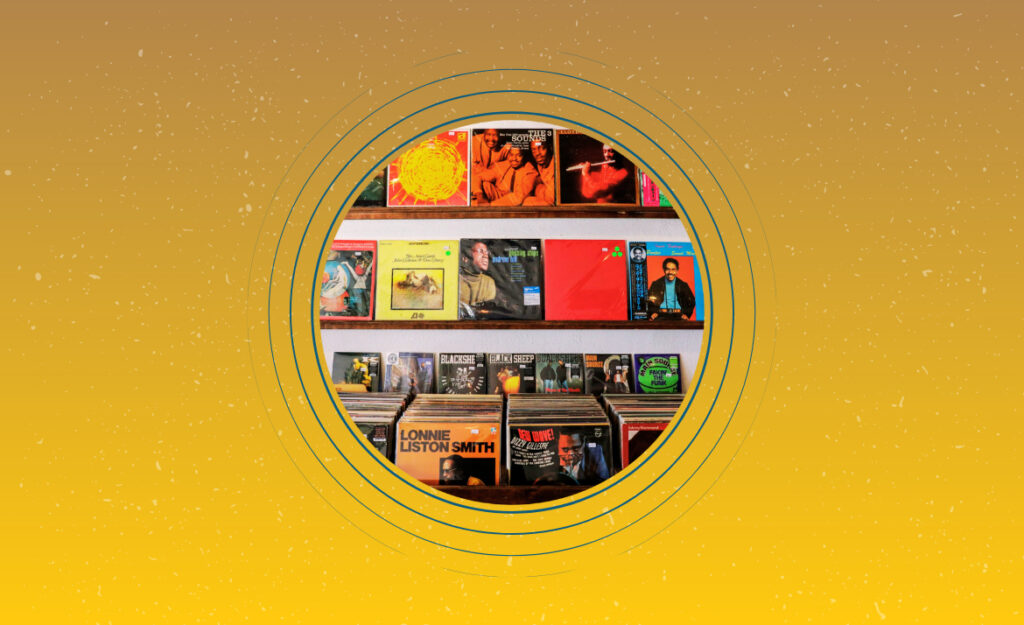
Flipping through rows of records at a local store brings a rush of nostalgia, but something bigger powers the thrill—vinyl collectibility trends now shape every search. Social buzz, new artists pressing exclusive runs, and reissues add rich texture to each crate-digging adventure.
As collectors chase rare labels and unique variants, the market’s pulse changes fast. Passionate fans create demand, while scarcity sends certain titles soaring. Understanding these shifts lets any enthusiast stay ahead, snagging timeless pieces before prices climb.
Dive into this timely exploration of vinyl collectibility trends and gather practical know-how to elevate your hobby, whether starting out or on the hunt for iconic pressings. Let’s uncover what drives value and discover insider habits that make a difference.
Identifying What Drives Vinyl Value Gives Collectors a Real Edge
Savvy collectors quickly spot why value swings: it’s rarely luck, mostly pattern. Noticing vinyl collectibility trends—like rising demand for colored pressings—can help predict which LPs will become tomorrow’s trophies.
Look at how rarity, artist popularity, label story, and press run intersect. Each factor leaves a fingerprint on market price. When collectors talk about vinyl collectibility trends, they talk about these specific details.
Spotting Undervalued Gems in Local Shops
A collector entering a used vinyl store may notice a Japanese pressing tucked behind common U.S. records. The barcode placement and unique liner note art offer quick clues. Whisper to yourself, “Look for international print codes—these sometimes double in value.”
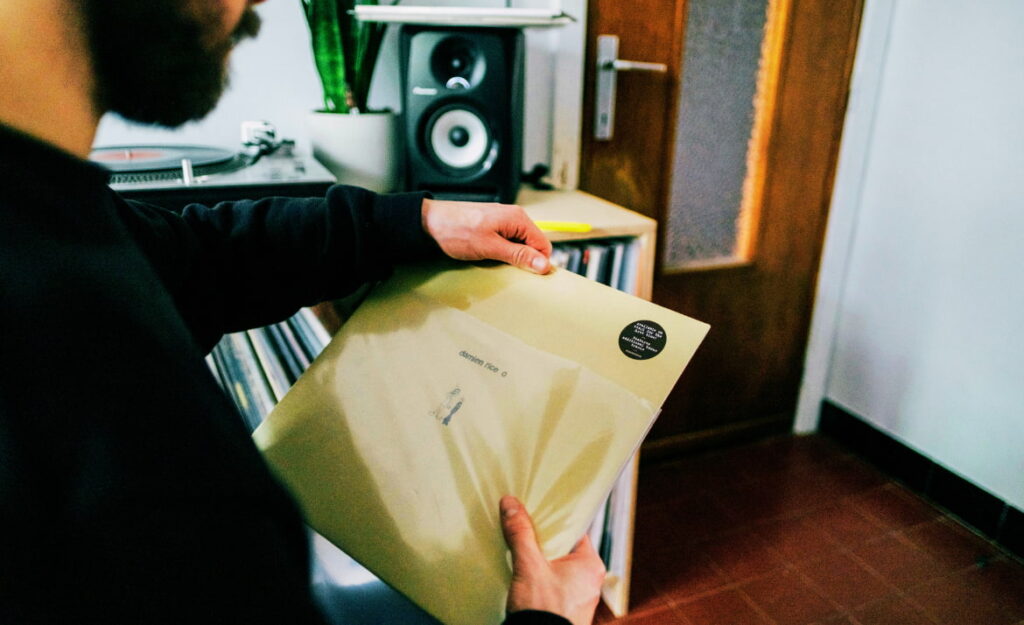
When someone gently slides a record from its sleeve, checking for unusual catalog numbers, they’re on the hunt for overlooked gems. Spotting features like OBI strips or alternate covers can turn a standard find into a special treasure.
Collectors jot quick notes in their phones: “Check for ‘RL’ etched on Led Zeppelin II,” referencing known engineer initials that make certain pressings more valuable. Follow that instinct, act on subtle cues, and train your eye for these patterns.
Comparing Limited Run Reissues With Original Pressings
Reissues attract new fans with modern packaging, yet originals often outpace them in price. Not all labels indicate a reissue; feel for heavyweight vinyl and read runout groove etchings. If a pressing lacks these hints, ask a trusted shopkeeper.
The difference is often in sound, sleeve details, or even a faint factory stamp. An original’s story adds a layer collectors crave—finding a 1973 first press with textured cover trumps a shiny 2023 repress at most vinyl swaps.
Shop conversations will echo, “Is this a true first?” and learning correct questions helps both new and seasoned diggers. Practice in-store, and trade tips with fellow hunters for a sharper eye every visit.
| Attribute | Original Pressing | Reissue | What to Notice |
|---|---|---|---|
| Sound Quality | Rich analog warmth | Varies (digital remaster) | Listen for subtle detail on highs |
| Cover Print | Thicker stock, textured | Smoother, glossier | Feel for paper texture |
| Label Artwork | Era-specific logos | Modernized or alternate art | Check fonts, colors |
| Runout Etchings | Unique codes/initials | Simpler or missing etchings | Read with light angle |
| Market Value | Consistently higher | Medium unless limited | Check current sold listings |
Smart Collecting Habits That Raise Your Chances of Discovering Rare Finds
Choosing where and how to search shapes your collection’s caliber. Regular routines help those tracking vinyl collectibility trends spot rare editions that others overlook. Time your visits and refine your lists to nab the best releases early.
Mixing digital alerts and in-person chats with store staff pays off. Knowing what’s due to restock or what trades are in can net you a sought-after pressing before it’s posted online or displayed in a shop window.
Setting Up Watchlists for Early Alerts
Create online alerts using specific keywords, such as “1967 mono Beatles UK pressing” or “200-copy limited turquoise vinyl.” Save searches on auction sites so notifications arrive instantly.
- Check your alerts each morning for fresh listings before major buying hours; this is when seasoned collectors say, “The best deals hit before noon.”
- Network in niche social groups online; many give direct heads up on private sales that never get posted widely.
- Track price drops and unsold offers; if a grail sits for weeks, try a friendly message: “Would you accept $X shipped?”
- Register for record fair preview lists. Get early vendor info released a day ahead—attendees have scored mid-century jazz rarities using this tactic.
- Keep a running spreadsheet documenting desired editions and average going rates, so you can quickly recognize a bargain when urgency strikes.
Habits like these make it possible to snag collectable pressings at retail prices, rather than paying inflated resale premiums later.
Establishing a Network With Local Shops
Cultivate friendships with store owners by asking about fresh arrivals, sharing your watchlist, or giving feedback on past finds. Many collectors say, “I see you’re restocking Friday—anything from Motown era coming in?”
- Offer to help price rare records if you have knowledge; store staff may tip you to new arrivals in gratitude.
- Skip the rush: stop by on quiet weekdays when new stock is shelved, but crowds are thin. It pays to be polite and patient.
- Leave your want-list, neatly typed and specific. “I’m looking for Blue Note first pressings, classic series blue label.”
- Buy a few “off-list” records to show support, building goodwill and rapport over time.
- Trade doubles directly with staff or regulars—sometimes it’s the fastest route to a rare record if shop budgets are limited.
With trust and consistent visits, you increase the odds that your vinyl collectibility trends research pays off in the stacks each month.
Understanding the Role of Social Media and Online Tools in Modern Vinyl Collecting
Exploring digital tools and social circles speeds up the learning curve for anyone tracking vinyl collectibility trends. Sharing finds or sales via dedicated hashtags and online forums brings quick feedback from passionate peers.
Apps and catalog sites document pressing data, explore price history, and flag counterfeit risks, giving collectors a confidence boost before every big purchase. These resources add structure to your hunt in a constantly changing market.
Leveraging Online Databases to Confirm Authenticity
Using a site like Discogs, search the matrix/runout codes before buying. Upload cover or label photos when posting a query. Within hours, collectors worldwide chime in: “That’s a 1978 repress, not a first issue.”
Cross-check these findings with posts in Facebook groups or subreddit threads. Members eagerly share scans of rare inserts or proof of regional color variants. This real-time research saves money and disappointment, plus aids with resale negotiations.
Save important forum threads or code lists for later. The more entries you contribute, the better your radar gets for spotting subtle shifts in vinyl collectibility trends on upcoming sales and swaps.
Sharing Hauls and Price Insights on Social Channels
Post a haul using trending hashtags like #vinylcommunity or #nowspinning, then describe what surprised you about the find. Replies pour in with context about label quirks or pressing sizes.
Watch how price discussions shake out: “Picked up a 1981 Bowie promo for $25, is this a steal?” Other collectors reply, “Going rate’s triple that, congrats—hold, don’t flip!” These micro-lessons update your mental price map in real time.
Save DM conversations with long-time collectors who spot hidden clues or offer off-market trades. Every interaction fine-tunes your knowledge and supports smarter decisions on future hunts.
Building a Collection With Purpose and Realistic Goals
Define a collection theme, and your search becomes focused. Choose goals—such as completing an artist’s discography, or collecting all editions of a milestone album. These strategies align with key vinyl collectibility trends visible among veteran collectors.
Document each acquisition’s backstory. A record with a clear journey—such as purchased from an album launch event, or signed at a concert—adds lasting magic that pure market value alone cannot provide.
Creating Personalized Grading Standards
While industry grading standards exist, many collectors keep private benchmarks. You might decide, “Only records graded VG+ or higher make my shelf.” Notes could read, “Light ringwear okay for first U.S. mono issues, but no seam splits.”
Record-keeping apps help maintain these details with photos and comments. Share these with others in local meetups—comparing checklists fosters trust during trades and sharpens negotiation skills on scarce pressings.
Custom standards prevent regret purchases and ensure your vinyl collectibility trends match personal taste instead of market hype. Revisit your rules quarterly for best results.
Tracking Growth and Periodic Refinement
Set milestones such as “add ten pressings to my Blue Note collection this year,” or “trade up three lower-condition duplicates for higher-grade versions.” These steps keep momentum going and banish overwhelm.
Monthly reviews using spreadsheets or cataloging apps will quickly reveal gaps or duplicates. Sell or swap redundant copies with trusted peers—many say, “Making one tough cut every season keeps my shelves fresh and focused.”
End each quarter by noting which vinyl collectibility trends shaped your choices. This honest accounting leads to smarter buying and more satisfying collecting in every phase.
Spotting Overlooked Pressings and Smart Upgrades in the Wild
Every crate holds potential surprises, especially for those tracking current vinyl collectibility trends. Collectors in the know avoid only chasing “hot” artists and instead watch for quiet signals like region-specific pressings, misprints, or promo marks.
Trust your instincts when pulling obscure labels. Sometimes, the most worn jacket hides a nearly flawless record inside. Lifting the inner sleeve carefully, you might spot a rare matrix code or promotional stamp missed by others.
Evaluating Cover and Label Details for Hidden Value
Look for differences in cover material, spine text, and even sticker residue. A slightly different font or spacing can reveal a unique batch. Collectors say, “Check for hype stickers listing misprinted track names—they signal rare editions.”
Follow your hunch on catalog codes by taking a clear phone photo. Later, compare to confirmed lists online. One extra digit or misplaced hyphen can mean the difference between a common pressing and a hidden gem.
Train yourself to spot missing barcodes on late-1970s releases, as these non-barcoded versions sometimes bring a higher premium among seasoned collectors.
Listening Sessions to Find Sonic Standouts
Set aside time each weekend for deep listening. Play a newly found jazz LP side-by-side with digital versions. List details where the analog version feels wider, fuller, or delivers hidden nuances easily missed on streams.
Invite friends for blind listening tests using both reissue and original editions of the same album. Take notes on reactions and track which LP resonates more. These sessions turn into lively discussions about authenticity and pressing influence.
Use the phrase, “I found this copy in a dollar bin and can’t believe the clarity!”—sharing these joy-filled moments reinforces your love of crate-digging and helps others recognize the depth of vinyl collectibility trends at every price tier.
Tapping Into Nostalgia and Cultural Shifts That Fuel Demand
Nostalgia drives many vinyl collectibility trends, pulling both younger and older listeners into record stores. Seeing a favorite childhood band’s LP or discovering vintage 1980s soundtracks become tangible links to past memories.
Major anniversaries or high-profile artist documentaries spike demand for certain pressings. These moments send fans searching for original issues, prompting sudden value jumps and a short window to secure key titles affordably.
Riding Waves of Music Trends and Reissues
When new genres re-enter pop culture—think synthwave or neo-soul—associated vintage LPs rise in price. Reissue campaigns from labels entice collectors with expanded liner notes, colored vinyl, or bonus tracks, renewing interest in classic catalogs.
Some fans recall seeing their parents play Fleetwood Mac at Sunday dinners, now searching out original pressings to recreate the mood. For many, vinyl bridges generations and keeps music discovery rooted in family tradition.
Stay aware of pop culture moments: a biopic or viral video can catapult a once-forgotten album to must-have status almost overnight. Adding such pieces quickly lets you ride the next wave of vinyl collectibility trends.