
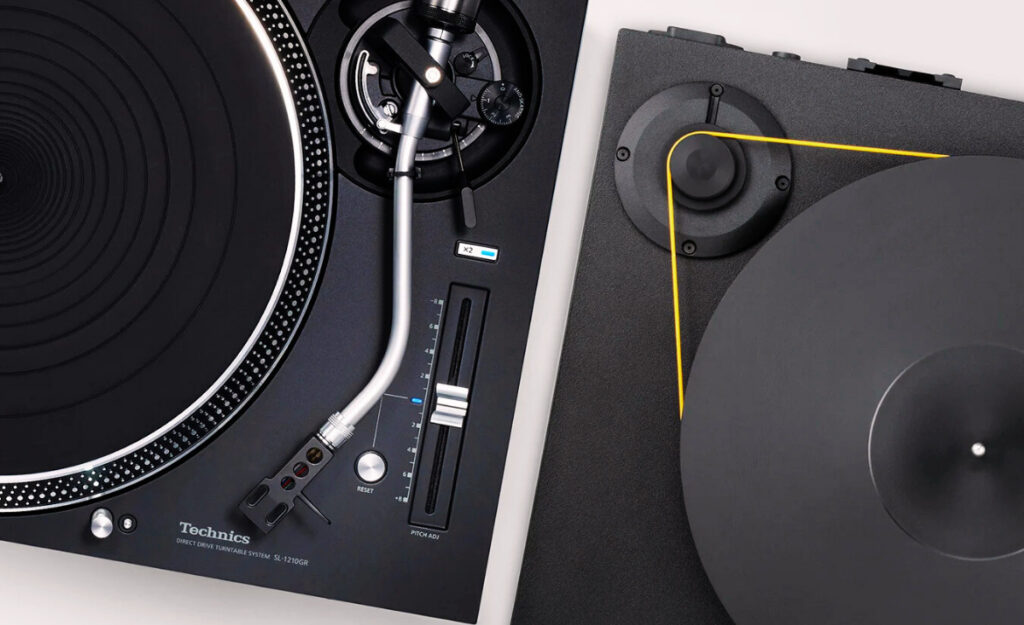
Spinning vinyl sets a mood nothing else can touch, but the joy fades if your records start warbling or skipping. Dedicated belt drive maintenance plays a role here, keeping music as intended—rich and steady.
Turntables aren’t set-and-forget devices. Their belts stretch, lose grip, or dry out, especially if records play daily or there’s humidity in the air. Ignoring these minor changes means sound quality dips before you notice.
This guide covers everything from inspecting the belt to knowing when replacement becomes essential. Embrace the simple steps below to hear the difference every time you drop the needle.
Inspecting Belts for Signs of Wear Prevents Sound Distortion
Spotting belt fatigue early lets you avoid the slow build-up of unwanted flutter. That’s why routine inspection is non-negotiable—think of it like checking tire tread before a road trip.
Remove the platter gently and examine the belt for cracks or glossiness. Focus particularly on spots where the belt meets the motor pulley, as tension here creates stress over time.
Noticeable Slack Means It’s Time to Act
Pinch the belt between two fingers and gauge its tension. If it feels loose or sags from the pulley, stability suffers and timely intervention is smart.
Sliding the belt inch by inch around the platter reveals subtle differences in stretch. Look for any areas wider or thinner than the rest—these spots often correspond to audible pitch issues.
A quick wrist test: Twist the belt into a figure eight. If new, it’ll resist twisting. If old, it hangs limp—a clear cue that your music risks wandering off pitch.
Visual Clues Beat Guesswork
Shiny surfaces signal old rubber. With a flashlight, inspect the belt for faded or glassy patches, which mean the material’s hardened and lost elasticity.
Clean breaks or hairline cracks need immediate attention. If you catch dusty buildup, gently wipe with isopropyl alcohol but don’t soak the belt—quick swipes prevent future sticking.
When comparing new and old belts side by side, note how a good belt’s matte finish contrasts with the faded shine of an overused one. Favor texture over gloss for dependable drive.
| Belt Condition | Visual Sign | Performance Symptom | Immediate Action |
|---|---|---|---|
| Healthy | Even texture, matte finish | Stable pitch and speed | Continue regular cleaning |
| Stretched | Loose fit, sags | Occasional pitch dip | Replace soon |
| Cracked | Small cracks visible | Noticeable flutter | Replace immediately |
| Glazed | Glossy, shiny spots | Slipping, inconsistent start | Clean or replace |
| Broken | Split or snapped belt | No rotation | Replace now |
Cleaning Techniques That Actually Prolong Belt Life
Consistent cleaning prevents dust and debris from shortening belt lifespan. Targeting grime at the source keeps playback genuinely smooth—not just quieter for one session, but record after record.
Use gentle motions and lint-free cloths. Avoid harsh solvents that degrade rubber resilience. Cleaning adds months to the belt’s working life, slashing unnecessary replacements.
Develop a Short, Effective Cleaning Routine
Gently wipe the belt and pulley every month if you use your turntable regularly. A cotton swab dampened with isopropyl alcohol removes sticky deposits but won’t soak or stress the belt.
- Detach the platter before cleaning for safer access and less tugging.
- Wipe the belt’s inner and outer surfaces to remove oils transferred from fingers.
- Clean the pulley with a fresh swab, spinning gently to avoid dislodging parts.
- Dry the belt fully before reinstalling to prevent sticking or stretching.
- Re-seat the belt evenly to maintain balance and consistent speed.
This quick routine is your main defense against erratic playback and long-term belt fatigue.
Signs a Clean Alone Isn’t Enough
Excess lint or recurring residue after cleaning means the belt is absorbing dust, not repelling it. This usually indicates aging rubber and signals replacement is smarter than repeated washing.
- Replace stubborn belts that resist full cleaning, even after careful wiping.
- Avoid using oil-based cleaners—they attract more debris next time you play.
- Store turntables covered to cut down on airborne grime settling onto belts.
- Check pulley and platter for nicks or scratches that shed dust onto the drive path.
- Use consistent, soft lighting during cleaning to spot any hidden buildup or residue.
Learning the limits of cleaning helps focus energy where it makes the most difference—on listening, not troubleshooting.
Choosing a Replacement Belt that Matches Your Turntable
Smart belt drive maintenance means installing the right size for your model. Using a close-match generic belt may create temporary fixes, but it risks both pitch issues and premature wear.
Measure the original belt’s length and width precisely, or check the manufacturer’s specs. An error of a few millimeters can translate to playback deviating from the intended pitch or timing.
Use Model Numbers for Quick, Reliable Replacement
When in doubt, jot down the turntable’s model and serial numbers before ordering. Retailers reference these numbers for exact belt matches, which prevents the trial-and-error loop.
Packing slips or old manuals sometimes reveal the original part codes—take a picture for easy sharing when seeking advice at hi-fi shops.
If your turntable supports multiple belt types, reach for those labeled as “audio-grade” or “for audiophile use” to guarantee the best vibration absorption and speed consistency.
Real-World Scenarios: Avoiding Common Sizing Mistakes
A user replaced a belt by guessing its size, but the platter wouldn’t sit flush—leading to scraping sounds by the third record. Accurate measurement would’ve prevented the setback.
Another enthusiast trusted a bundled “universal belt” yet found playback running too quick. Returning to the correct factory spec eliminated the “chipmunk” effect immediately.
Takeaway: Always use a digital caliper or measuring tape for dimensions, or take your old belt to a shop for matching.
Setting Tension for Perfect Playback Every Session
Tensioning the drive belt correctly takes seconds but preserves both pitch stability and belt longevity. A belt that’s too tight strains the motor; too loose, and records drag or stutter suddenly.
Place the platter and set the belt in position gently, then rotate by hand. You’re aiming for not much resistance while avoiding any sags as you spin.
Try the “Snap Test” for Foolproof Results
Hook the belt onto the platter, then pluck it slightly. A gentle “snap” signals the right tension—too taut and it thuds, too loose and it barely moves back to place.
If the belt feels sluggish to move by hand but won’t rebound after a pluck, swap in a new one to restore proper grip and eliminate drift.
If you hear a tiny squeak as the platter spins, use a fresh belt or adjust the seating—you want silence except for music.
Adjust Tension During Setup, Not Playback
Never try to reposition or stretch the belt with the motor running. Always power down and unplug for safety and accuracy.
Test different mounting positions per your model’s guide: some platters use alternative grooves to fine-tune speed and belt friction. Use these settings to lock in your preferred playback feel.
Mark your settings with low-tack adhesive if you tweak for different records—for example, heavier LPs may benefit from firmer tension during rotation.
Environmental Tactics That Extend Belt and Record Life
Climate control strategies protect both your drive belt and vinyl. Rubber breaks down under ultraviolet light and fluctuating humidity, so smart storage choices pay off as part of belt drive maintenance.
Store your turntable away from sunlight and in a place with steady, moderate humidity. Keep windows closed or use a cover to reduce UV exposure, and avoid storing near radiators or vents.
- Position your setup away from heating vents to avoid rapid drying or heating cycles.
- Avoid windowsills even when blinds are down; UV still penetrates fabric and warms surfaces unevenly.
- Use purpose-built dust covers during downtime to minimizes both debris and sunlight.
- If you notice rubber hardening, assess whether your space gets hot in direct sun or overly dry from winter heaters.
- Monitor air with a cheap hygrometer; aim for values between 45-55% relative humidity for best preservation.
Humidity and Temperature: Small Shifts, Big Impact
Relocating your turntable away from kitchen or bathroom doors prevents steam and moisture from reaching the drive belt, keeping it supple longer and cutting noise from static or friction.
Consider a small dehumidifier or air purifier for shared spaces with exposed records and equipment. It’s a minimal cost for consistent belt tone and durability.
If you store records in sleeves, keep those upright and spaced to prevent leaning—a trick that benefits both discs and belts over the years.
Scheduling Regular Checks and Setting Up a Maintenance Log
A calendar approach keeps you from guessing when it’s time for maintenance—set a monthly reminder to examine the entire drive assembly. Tracking changes helps catch patterns and nips future issues early.
Use simple notes, such as “November: slight stretch detected, cleaned and checked tension.” Regular entries allow you to confirm things at a glance next time and notice trends if belts degrade more quickly than expected.
Create a Maintenance Checklist for Peace of Mind
List all steps from platter removal to belt inspection, cleaning, reinstallation, and test spin. During each check, mark any changes in pitch or noise. These checkpoints clarify exactly when action is needed.
Add useful details, like weather or hours of play per week. For instance, a log might read, “December: cold snap, more static, belt checked—OK.”
Checklists work for households with multiple vinyl fans, too—everyone logs findings, making it easy to share what works or signals a problem brewing.
Wrapping Up: Consistent Belt Drive Maintenance Rewards Every Listener
Keeping a vinyl setup running right isn’t a burden. Rather, it’s like maintaining a favorite kitchen tool—a little attention dramatically boosts mileage and enjoyment, album after album.
Belt drive maintenance lets your music sparkle, free of buzzes or hiccups. Each step builds a habit that weaves care into routine listening, deepening appreciation for the format’s unique warmth.
Treat every spin as a small celebration—your records respond with the crisp detail and steady tempo they deserve. A bit of know-how and consistency ensures vinyl remains the soundtrack for years to come.