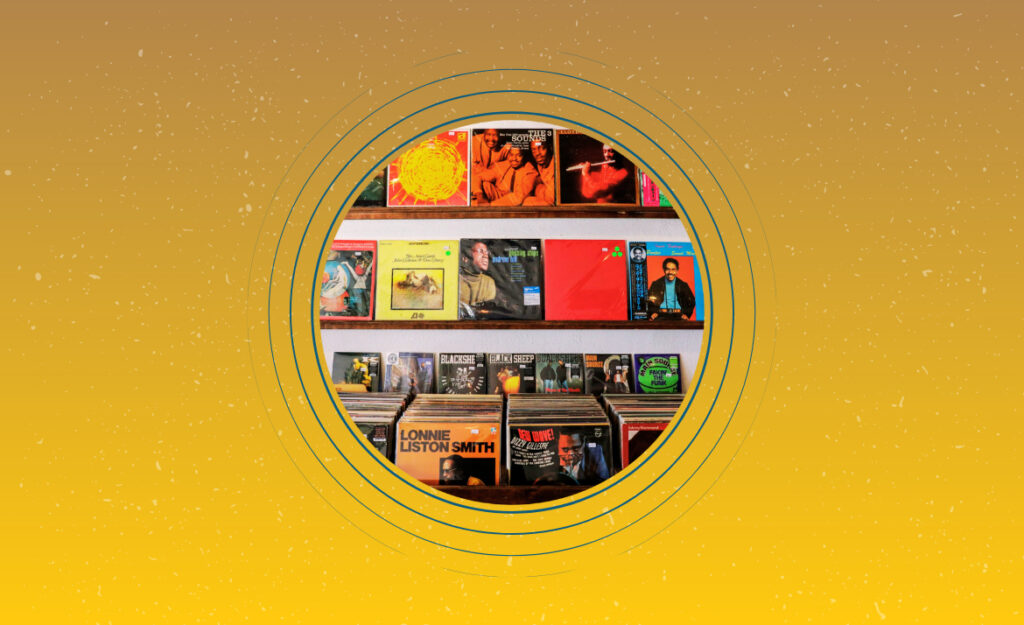
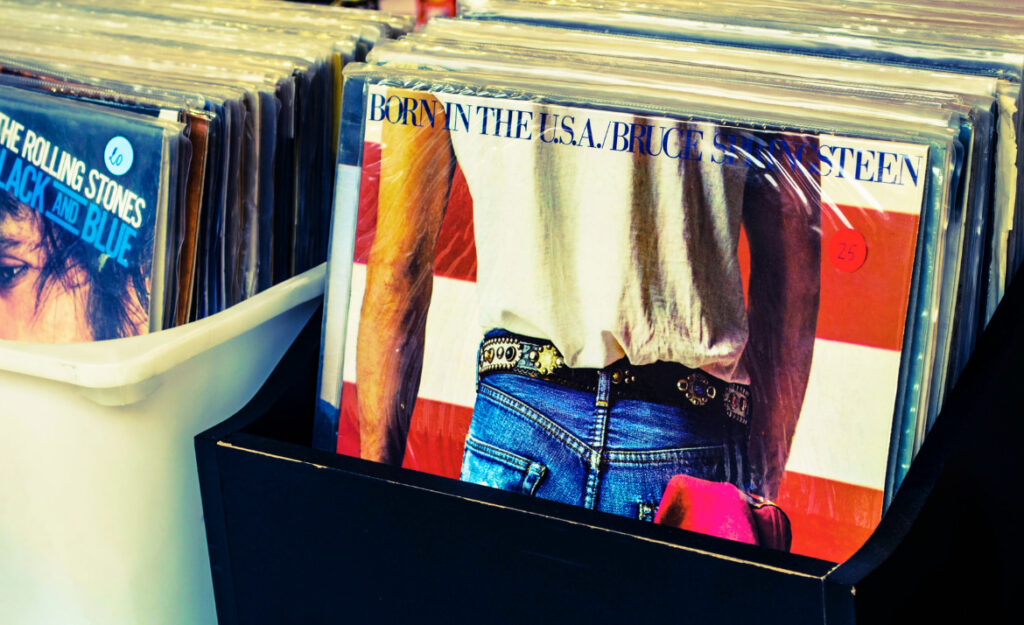
That satisfying crackle before the music kicks in makes collecting vinyl addictive, but keeping the collection organized can trip up even devoted fans. Digital cataloging vinyl records feels like squaring off against a mountain if you’ve never tackled it. Luckily, modern tools transform cataloging into something as enjoyable as spinning a favorite LP.
Dedicated collectors know a spreadsheet or an app isn’t just another chore—it protects years of curated listening. As a vinyl library expands, relying on memory or sticky notes leads to lost gems and accidental double purchases. Embracing digital cataloging vinyl strategies can save both time and money.
This article gives you hands-on steps, time-saving rules, and practical examples so you can finally keep track of every pressing, promo, and rare find. Jump into these sections to quickly start or improve your catalog and keep your analog treasures right at your fingertips.
Building a Reliable Vinyl Archive Steps into Clarity
Beginning with a reliable archive system means your collection will be easy to browse, share, and update. The act of uploading information from each sleeve makes digital cataloging vinyl less overwhelming from day one and prevents backlog regret.
Preparing a realistic spreadsheet or using specialized cataloging software nudges you toward consistent habits. At first it can seem tedious, but clear structure pays off with every reference check or resale decision.
Choosing Between Spreadsheet and App
Many collectors start with a simple spreadsheet. Its columns—artist, title, year, condition, and notes—fit nearly any record collection. Spreadsheets transfer smoothly between computers and aren’t tied to any platform.
Cataloging apps bring automation and polish. They read barcodes, pull in cover art, and fill in release data. For collectors with hundreds of records, automation saves hours and resorts less to manual data entry.
Susan, archiving her collection, realized: “Spreadsheet entries were slipping out of sync.” Once she switched to an app, scanning each new vinyl was a ritual—one that kept her from losing track of recent trades or upgrades.
Establishing Entry Rules Early On
Set requirements for each record entry. Include must-have fields: artist, album, label, pressing details, year, and notes about defects—essential for digital cataloging vinyl. Color-code records for quick reference and avoid vague descriptions like “old copy.”
Decide how duplicates and special editions appear. Keep a separate field or note for autographed albums, promotional copies, and foreign pressings. Tally the total, and update immediately after new purchases to protect collection accuracy.
Assign one person to enter collection data if you share your library. That way, there’s one system for abbreviations and fields—eliminating confusion that creeps in over time due to differences in style or attention to detail.
| Cataloging Tool | Automation Level | Ease of Sharing | Takeaway Action |
|---|---|---|---|
| Spreadsheet (Excel/Google Sheets) | Manual | Easy to export/share | Start with a basic spreadsheet for flexibility |
| Cataloging App (Discogs, CLZ) | Semi/Full | Integrated sharing | Switch to an app when your entry time grows |
| Database (Access, FileMaker) | Advanced automation | Server/client or export | Use for very large or shared collections |
| Photographic Catalog | Manual with visual aid | Shareable images | Snap cover/label shots for backups |
| Hybrid System | Mixed | Custom solutions | Combine app and sheet for best of both worlds |
Recording Data That Makes Your Vinyl Searchable Instantly
Consistent data entry means you can pinpoint a pressing, release year, or genre with two clicks. Defining what to record up front keeps digital cataloging vinyl accurate and helps you discover forgotten favorites or high-value pressings years later.
Trying to remember the label or matrix code when standing at a record fair is like searching for car keys in the dark—record those details now, so you’re never guessing later.
Unlocking Fast Retrieval with Detailed Fields
Think of fields as the keys to finding your music again. Digital cataloging vinyl with the basics (artist, album, year) helps, but advanced fields—like catalog number, pressing info, or genre—turn a list into a searchable resource.
- Add album condition; accurate grading helps resale or trade decisions, making your collection transparent and trusted.
- Specify matrix/runout codes for serious collectors, who can quickly identify pressing variations using your notes.
- Tag genres and subgenres for playlist style browsing; later, you can instantly build mood or era-based playlists.
- Include purchase location and price for tracking value and provenance; it’s reassures you if you want to insure the collection.
- Add listening notes—like ‘warped intro’ or ‘killer bass on B2’—to remind yourself why you bought, or to dodge duds on future hunts.
Detailed entries will seem tedious at first, but save you from searching through sleeves or stacks later, especially as your collection grows past a hundred titles.
Maintaining Images and Digitized Receipts
Add a photo of the cover, label, and any distinctive features, keeping your archive visual. Backup images in cloud storage attached to your data file. This way, digital cataloging vinyl remains a safeguard, even during moves or losses.
- Snap images of unique marks or signatures, so future identification or authentication is seamless—and the info can be shared without handling the vinyl repeatedly.
- Scan or photograph receipts, tucking files alongside your inventory, which can help with insurance claims, resale, or tracking collector provenance.
- Create consistent file-naming conventions, such as ‘artist_album_year.jpg’, for quick association between your image and database entry.
- Use album art for mood-based sorting and playlists when sharing your collection with friends or guests browsing digitally.
- Periodically audit your image backups; technology changes, but habits keep digital archives whole and recoverable years down the road.
Storing images securely makes recalling the story behind each disc as simple as re-scanning your digital bookshelf. Linking visuals to data is like handwriting liner notes for every title you own.
Keeping Catalogs Up to Date with Zero Drama or Dread
Consistency is the real trick—digital cataloging vinyl records isn’t a one-time chore. Scheduling five minutes with each new purchase or trade keeps your archive actionable, and your stats accurate for insurance, trades, or just for pride.
Making updates part of your listening session creates a rewarding ritual, not a tedious obligation. Cataloging is like logging reading progress—each entry affirms both ownership and personal history.
Breaking Cataloging Tasks Down for Daily Success
Split up digital cataloging vinyl into micro-tasks. Add an album’s basic details as soon as it joins your shelf. Fill in advanced fields—such as pressing specifics or condition—during a second sweep, perhaps while cleaning or playing it for the first time.
Assign a weekly reconciliation: cross-check your inventory list with the physical shelf, updating missing or inaccurate data. The act of touching each LP jogs both memory and affection for neglected gems.
Set aside a small toolkit: phone or scanner, microfiber cloth, and cue cards for tracking which albums you’ve entered completely. Store it somewhere visible. When the process is visible, it stays a healthy collecting habit.
Establishing Time-Saving Cataloging Habits
Pinpoint potential bottlenecks in digital cataloging vinyl. If you buy multiple records at once, always stack them next to your turntable. Only shelve records after full entry—this ‘gate’ prevents unlogged albums from slipping through cracks.
Involve friends or family: ask them to read out catalog numbers while you type, or assign them to photograph covers. A social aspect makes repetitive chores feel like shareable wins for the collection.
Set reminders in your phone for cataloging sessions. Like watering plants, a small calendar nudge prompts routine without guilt. Having entries stay current means you’ll enjoy browsing as much as spinning records.
Staying in Tune with Your Vinyl, Thanks to a Digital Catalog
Organizing a vinyl collection with digital cataloging vinyl tools ensures every LP has its place and story. The discipline pays off with each retrieval, swap, or sale—saving time, stress, and even money as your collection grows.
Digital cataloging vinyl is a muscle you strengthen; shotgunning details into a spreadsheet or app at first gives way to habits, flow, and confidence. Real-time catalogs help you share, insure, and fall in love with your collection again and again.
Take the steps outlined here, from consistent entry rules to visual backups, and future-proof your vinyl passion. Every organized record means more listening, less searching, and the kind of joy analog collectors truly value.