
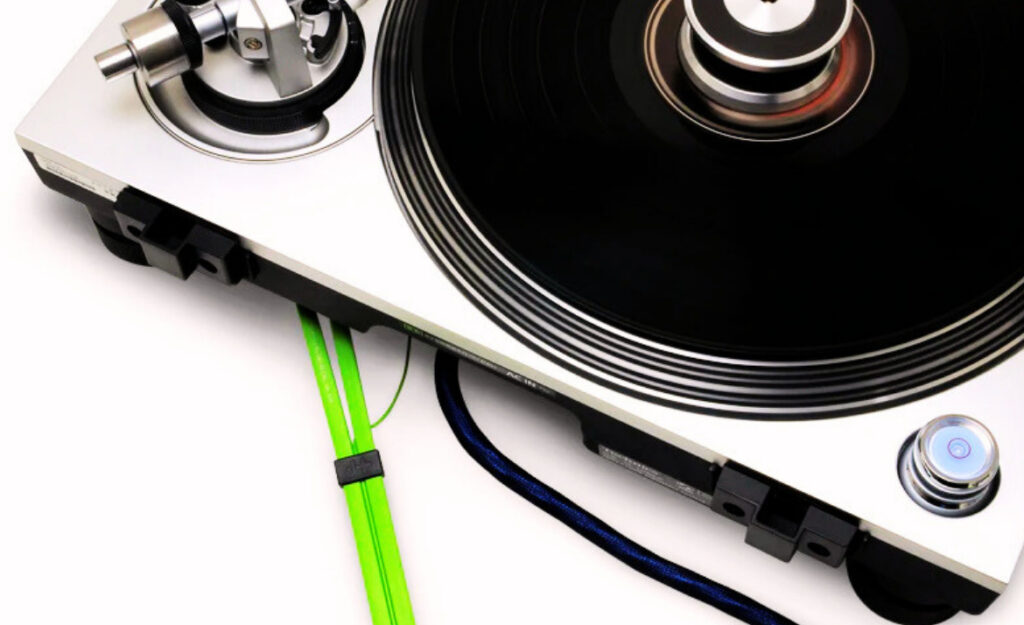
Dust beneath the turntable can spark curiosity—what if subtle interference is stealing that warm vinyl magic? Many overlook the effect of connectors, yet rca cable cleaning quietly restores a forgotten level of clarity. For listeners chasing authentic sound, refined care adds up to audible results.
Treating cables with the same respect as albums—and cleaning them every season—makes sense when fidelity matters. Static build-up and tiny film on gold or silver connections grow over time, acting like fog on a camera’s lens and blurring detail between needle and speakers.
Adopting a regular routine for rca cable cleaning isn’t difficult, but knowing which tools and sequences perform best saves hassle. This article unpacks direct improvements, strategic cleaning techniques, and real-life actions audiophiles use for a richer vinyl experience right at home.
Pinpointing When Cables Need Attention for Best Vinyl Playback
Make your records sing by identifying signals your rca cable cleaning is overdue. Distorted highs, reduced bass, or a faint hiss during silence indicate corrosion or dust at connectors, muting your setup’s true potential.
Once a collection’s grown and your system’s handled many swaps, regularly examining cable tips becomes second nature. Frequent handling and unplugging accelerate build-up, so timely care rapidly pays off in restored sparkle and punch.
Step Sequence for Inspection
Carefully power down and unplug your entire vinyl setup. Gently hold cables near connectors to minimize strain—wiggle each RCA gently while observing for crackling from speakers. Take note if the issue localizes with a particular cable.
If you see visible greenish or dark spots, sticky residue, or compressed dust, this is enough to warrant cleaning that area immediately. Don’t reuse a visibly dirty cable until it’s clean, or you risk further signal loss over time.
Run a finger along both RCA male tips and female ports that connect to your turntable and amplifier. If fingertips feel any grit or sticky coating, proceed with your cleaning routine to restore low-resistance contact.
Checklist for Timing Cable Checks
- Check every three months for heavy vinyl rotation—more play means more handling, increasing connection contamination.
- Always inspect following any move, after extending reach, or adjusting components, since touch transfers oils.
- Recheck after pet hair or visible dust appears in the setup. Even small household changes introduce new static and debris risks for contacts.
- Do a visual inspection anytime subtle sound changes (more hum, fading detail, weaker bass) catch your attention when listening to familiar tracks.
- Add cable review as a final step when troubleshooting audible issues before replacing bigger system parts or blaming your cartridge or speakers.
Common Cable Issues Table
| Problem | Visual Cue | Sound Symptom | What To Do |
|---|---|---|---|
| Oxidation | Greenish/white film | Duller treble, slight distortion | Clean with isopropyl-soaked swab |
| Dust Build-up | Gray fuzz, lint | Bass loss, faint hiss | Brush gently then wipe with cloth |
| Oil/Residue | Sticky, shiny tip | Intermittent dropout | Remove with alcohol and dry |
| Bent Pins | Pin out of line | Complete signal drop | Straighten with precision tool |
| Corrosion | Pitted, rough metal | Persistent hum | Replace cable if uncleanable |
Care Routine: Repeatable Actions for Consistent Sound Quality
You cement cleaner playback by applying a repeatable cable care routine built for real record use. This process depends on safe tools, patience, and knowing when to act versus when to monitor connections only.
Establishing habits—usually seasonally or whenever records sound muted—makes a tangible difference. Many collectors keep a small kit beside their vinyl cleaning brush so cable care feels like an extension of album upkeep.
Cleaning Tools and Choices
- Use 90%+ isopropyl alcohol for tough grime—it evaporates fast, leaving no new residue and won’t eat away plastic insulation when used sparingly.
- A dedicated soft-bristle electronics brush dislodges dust in tight cable ends without scratching gold or silver. Don’t substitute with old toothbrushes, as their bristles can fray and shed.
- Microfiber cloths gently remove oils after brushing. Their fine weave grabs fallout that paper napkins or regular towels push deeper into connections, so always wipe twice.
- Single-use cleaning swabs reach inside female RCA ports where fingers cannot. Pre-soak them in alcohol before each use, then twist gently through each port’s inner ring for best results.
- Plastic-safe compressed air blows debris away without introducing moisture. Hold at an angle, never forcefully, for less risk of condensation on critical metal.
Following a practical toolkit lets you jump into cable maintenance with confidence, cutting down over-cleaning and making occasional quick checks easy.
Sequence for Satisfying Results
- Unplug cables safely before cleaning and avoid yanking by the wire. Instead, grip connectors firmly and twist gently.
- Apply cleaning solution sparingly to avoid pooling inside cable jackets, which can cause corrosion or shorting.
- Allow all parts to air dry for a full minute before reconnecting. Skip this, and you risk trapping moisture that undoes cleaning gains.
- Re-insert cables with gentle, straight pressure—avoid bending pins or stressing ports. This contact method maintains ideal conductivity and avoids damage.
- Test playback with an album you know well to gauge improvements in dynamic range and background quietness. Immediate A/B comparisons are most revealing right after a good clean.
Using a technique checklist like this one means your system delivers maximum clarity—the main goal behind every session of thorough rca cable cleaning.
Everyday Examples: Real Scenarios Where Cleaning Pays Off
A well-loved collection sometimes feels less immersive without warning. A collector noticed faint static between tracks and muffled high notes on jazz albums. Swapping records didn’t fix it, so attention turned to cable connections.
Another user observed repeated channel dropout when gently nudging RCA connectors on their amplifier. This pattern, paired with visible tarnish, led directly to targeted rca cable cleaning producing an immediate, satisfying improvement.
Script for Routine Troubleshooting
Start every new month with a quick agenda: “Is anything fuzzy or unusually soft?” If yes, pause playback, cut power, and inspect every RCA point. Signs like crackling or signal loss demand a cleaning break before further listening.
Directly after cleaning, play a favorite track at normal volume. If the high hats or bass lines reappear with detail, chalk it up to connector grime. Expect to repeat the process every season to head off gradual sound decay.
Keep mental notes on how cleaning impacts the mood or energy of familiar LPs. Those who document before/after impressions find emerging patterns that reliably predict when to schedule their next cleanup routine.
Checklist for Detecting Problems Before Cleaning
- Note unexpected background hum, especially at the silent beginning or end of records; it usually signals conductive grime in RCA jacks.
- Mark any volume dips or “one side quieter” effects. Contact degradation can impact channel balance, even with premium cables.
- Watch for repeated crackles or pops when lightly nudging the turntable. Structural dirt or oil at the RCA interface is a top culprit.
- Test with several genres—jazz high notes, rock’s bass end, or vocal harmonics—to expose subtle changes harder to detect on one music style alone.
- Notice any resistance or visible smearing on metal tips; touch grease doubles as an insulator until removed.
Acting on these cues, users develop intuition for maintenance, making rca cable cleaning a reliable way to safeguard their turntable’s full sonic range.
Cleaning Beyond RCA: Best Practices for the Whole Chain
Connecting your record player isn’t just about RCA cables. Dust, oxidation, and oils gather on speaker ends and power plugs too, all of which gently dull vinyl warmth. Creating a full cleaning sequence guarantees balanced, engaging playback every session.
Speaker and Ground Wire Focus
Start with speaker terminals, especially vintage screw-down types where visible grayness or green oxidation reappear. Remove and clean with a brush and isopropyl solution, then finish with a dry wipe. Confirm their snugness after cleaning—loose connections breed faint distortion.
Next, clean ground wires connecting the turntable’s earth post to the amp’s ground. Wipe down each tip and clamp, since static build-up on these wires can nurture hums that imitate dirty RCA connections.
Return each cleaned part without touching cleaned metal. Grabbing by insulation or plastic edges prevents new fingerprints, ensuring lastingly clear contact.
Power Plug & Socket Checks
Dusting power plugs matters more than most assume. Nearby static-prone materials, like carpets, let lint creep in, boosting hum risk. Brush out both the prongs and socket—pay attention to how snug plugs feel upon return for reliable supply.
Apply the same method to surge protectors or extension leads on which vinyl setups rely. A steady, crackle-and-hiss-free supply proves your cleaning routine reaches the entire system for truly rich analog results.
Document each clean with a small sticker date under your table. This encourages consistent cable and plug attention every quarter, keeping the process simple and effective for every listener.
Active Listening: Detecting Improvements After Cleaning
Listeners report fuller, tighter bass and crisper highs after applying rca cable cleaning, especially when using familiar albums. Playing treasured tracks at medium volume with closed eyes helps reveal nuanced differences that signal successful cleaning.
For added confirmation, invite a friend to swap between brushed and untouched cables blind. If both hear a richer ambiance or less hiss, repeat this every quarter to catch subtle dirt-driven decay before it shapes your entire listening experience.
Micro-Listening Techniques
Choose a challenging section—complex jazz or vinyl with delicate strings works best. Focus on background blackness: the quieter your in-between moments feel, the greater the reward from recent cleaning. Noticing faint cues—a breath between notes, slight vibrato—means connections are performing as intended.
Test with analog-specific cuts, like spoken word or acapella albums, where subtle hums or distortion become immediately apparent after proper care. Direct your attention to sibilance; harshness receding typically means cleaner metal contact.
Set a reminder on your phone or calendar to rinse and repeat these listening sessions after every major rca cable cleaning, cementing a sustainable rhythm of upkeep for a consistent vinyl treat.
Fine-Tuning via Swapping Cables
Have two similar albums on hand—one new, one old. Swap the same cable between both, cleaning in-between. Document which version delivers more “air” or separates instruments better. If improvements radiate each run, carry out incremental cleaning as a maintenance habit.
Journal differences for later reference. Users fine-tune their cable-cleaning frequency based on how recordings sound: if clarity holds steady, stick to quarterly care; if loss appears sooner, tighten the schedule.
Post results online or compare notes with local audiophile friends. Collective experience deepens everyone’s understanding, helping detect false positives (like cartridge wear) versus issues tied directly to cables or connectors.