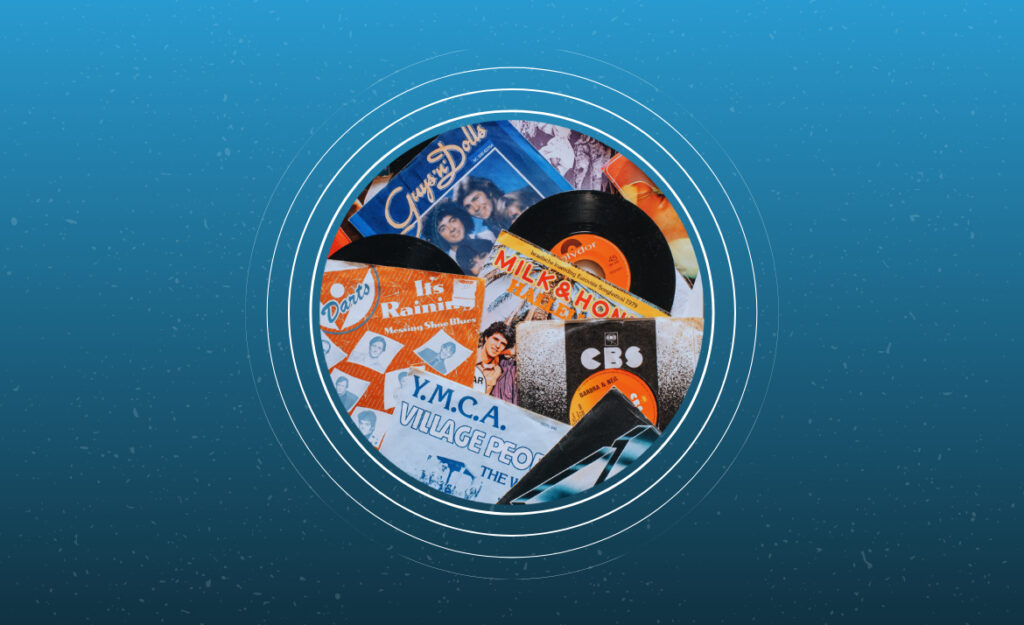

Few feelings match dropping the needle on a favorite vinyl and hearing every detail. The right record cleaning order makes a bigger difference than most realize, putting warmth and clarity back where it belongs.
Longtime collectors and new listeners both know that grime and static build up fast. Even the best turntable can’t save sound that’s muffled by residue or dust, which is why caring for records goes beyond just storing them upright.
This article reveals how organizing your cleaning routine elevates playback, reduces wear, and gets audiophile-level sound from every spin. Dive in for practical steps and real results.
Sequence Tricks for Consistent Clarity on Every Spin
Use a proven record cleaning order to hear crisp highs and smooth lows every time. This section lays out a field-tested workflow and when to skip or repeat parts.
Following one routine not only saves time, it makes troubleshooting easy when sound problems pop up. Each tool and technique adds a layer of protection and clarity.
Dry Brushing: Starting Clean Makes Everything Else Easier
An anti-static carbon fiber brush lets you remove loose dust before liquids set it into grooves. A quick sweep, using gentle pressure, lifts debris instead of rubbing it in further.
Think of the brush as a doormat for your records—catching grit at the door so less enters the soundstage. This step is simple but sets the tone for a clean session.
Always hold the brush perpendicular to the grooves and move it in a smooth arc, following the vinyl’s rotation. Shake out the brush after every use for best effect.
Wet Cleaning: Dissolving What Brushes Can’t Reach
For the gunk that brushes leave behind, wet cleaning steps in. Use a dedicated vinyl cleaning solution and microfiber cloth or pad, applying just enough liquid to dampen, not soak the disc.
Wipe the solution around the record in a circular motion matching the grooves. Let tough spots sit for 30 seconds. Surface should appear slightly damp, never dripping.
Wait a minute to allow evaporation, then dry with a fresh cloth. This method dissolves oily finger marks, restoring shine and improving stylus contact for better sound retrieval.
| Step | Tool Needed | Common Mistake | Key Tip |
|---|---|---|---|
| Dry Brushing | Carbon fiber brush | Pushing dust deeper | Brush gently, arc motion |
| Wet Cleaning | Vinyl solution, cloth | Soaking label | Avoid label; use minimal fluid |
| Deep Scrub | Enzyme cleaner | Using wrong cleaner | Only use vinyl-safe products |
| Drying | Lint-free towel | Rough handling | Pat, don’t rub |
| Storage | New inner sleeve | Reusing old sleeves | Replace sleeves post-clean |
Easy Upgrades: Habits That Prevent Problems Before They Start
Changing one habit at a time keeps cleaning manageable and lets changes stick. Simple routines stop big problems: half the magic of a solid record cleaning order is good timing and prevention.
Whenever you play vinyl, use these two habit groups to cut down on cleaning frequency and extend your collection’s life. Combine the right sequence with daily habits, and the benefits multiply every session.
Gentle Handling Routines that Pay Off
Keep your hands and records clean by washing up before handling vinyl. Fingerprints are stealthy, oily saboteurs. Every print dulls sound, so notice each time you forget and adjust right away.
- Wash hands before touching records: Natural oils dull sound, so clean hands mean cleaner grooves. Make it as automatic as putting on headphones.
- Hold by edge and label: Harsh bends or dirty fingers on grooves leave scratches and noise. Always grip the edge or center label—never touch the playing surface.
- Return records promptly: Don’t leave vinyl out. Dust in the air settles quickly and can mix with oil residue, making next cleaning tougher.
- Close turntable lid: Even during playback, a closed lid stops dust from landing on your records. Get in the habit before the first track ends.
- Replace sleeves regularly: Old, worn sleeves reintroduce grime. Schedule new anti-static sleeves after deep cleans for an instant freshness boost.
Practicing these steps every time you listen saves hours of effort down the road and preserves detail in every album you clean afterward.
Choosing Products That Match Your Cleaning Routine
Not all cleaning solutions or brushes are the same. Pair tools and liquids to your vinyl’s needs, adjusting order and repetition for heavily used records.
- Use vinyl-specific cleaners: General cleaning sprays may contain alcohol or chemicals that damage grooves. Stick with solutions labeled safe for records to maintain sound quality.
- Select microfiber or anti-static brushes: Old shirts or paper towels scratch surfaces, so invest in materials designed specifically for records for scratch-free results.
- Deep clean before storing long-term: Before putting records away for a season, perform a full cleaning. You’ll be rewarded with better sound when they come out again.
- Rotate cleaning cloths: Fresh cleaning tools prevent cross-contamination. Swap out cloths after each session or wash between uses for maximum effect.
- Test new products on less valuable vinyl: If you’re unsure about a new cleaner, try it on a bargain-bin record first, gauging results before using on prized albums.
These matching steps prevent accidental damage and make every record cleaning order more predictable. Try these upgrades next time you clean.
Timing Gaps and Patterns Improve Results Without Guesswork
Spacing out deeper cleans with smaller touch-ups keeps both the process and sound quality on track. People who find a rhythm rarely rewind to fix avoidable mistakes.
Think of streak-free windows: You don’t overhaul them daily, but you spot-clean thumbprints and dust. Record cleaning order works exactly the same—timing matters as much as technique.
Batch Cleaning for Collections: What Works Best in Practice
If you inherit a box of records or buy a batch from a thrift shop, separate the stack into obvious clean, dirty, and damaged piles by visual inspection. This triage keeps contaminants away from clean records and streamlines workflow.
Tackle the dirtiest group with a dedicated brush and disposable towels first, then clean each disc in your routine order. Schedule deep cleans for these only once surface dirt is gone.
After cleaning, store each batch apart for a week. Notice if dust reappears more quickly on some; tweak your cleaning order or storage as needed for better long-term audio fidelity.
Pre-Spin Checks: Prepping Each Play for Best Playback
Right before you cue up, visually inspect for fingerprints or lint under a lamp. A single pass with the carbon brush gently removes last-second dust. Let your eyes confirm what your ears will hear: a pristine groove.
In scenarios where an album is played repeatedly—think DJ sets or family favorites—repeat brush or light wet cleanings after every few plays. This practice nips groove buildup before it muffles details.
Make it a ritual: as the platter spins up, sweep the record and take two seconds to check the label is dry. This small check prevents static pops mid-track and extends stylus health.
Creating Your Custom Routine with Real-World Examples
Building a cleaning workflow, with an intentional record cleaning order, transforms scratchy secondhand vinyl into centerpiece-quality sound. Use these specific scenarios to guide your process.
A collector might say, “I always brush, inspect, wet clean, and dry before the first play. It only takes two minutes, and I’m rewarded with detail I missed before.” This method pays off, especially with records saved from bargain bins or older collections.
Troubleshooting Sound Issues Mid-Clean
If your freshly cleaned record still hisses or pops, reassess your order. Skip the wet step on rain-hazy days: high humidity causes static and streaks. Instead, boost time with dry tools and cut drying time in half.
Check the sequence: is the brush step really first, or did you jump to solution? Timing and order can erase extra work—fix streaking or static, and see if problems vanish by repeating both steps in sequence.
If sound improves, you’ve found your fix. If not, revisit the table and list for micro-adjustments, or retire a worn brush that’s lost bristle tension.
Analogies for Easy Recall and Consistency
Think of record cleaning order like making a layered sandwich. If you spread the jam before the bread is crumb-free, it never tastes right. The sequence—dust, then damp, then dry—delivers best flavor, or in this case, clearest sound.
Assign each part of your cleaning stack to a kitchen job: brush as knife, cleaning solution as spread, fresh cloth as the finishing touch. When steps flow, so does daily music enjoyment.
This mindset builds muscle memory. Soon, every new or old record gets the same five-star treatment automatically—each layer adds up to audible improvement.
Results-Driven Habits That Make a Lasting Difference
People who treat cleaning as an end-of-day wind-down report better results than frantic multitaskers. Allocate ten minutes, two records at a time, as a mindful reset, not just a chore.
Rotate habits based on weather and listening patterns. In high pollen months, schedule extra dry brushings. During holiday gatherings with more hands on records, add a hand-wash reminder at your listening station.
In families, teaching kids the right record cleaning order makes music time collaborative and fun. Hand off one step, like sleeve replacement, and turn maintenance into shared ritual—everyone hears the benefit.
If someone brings a scratched, dirty album to a party, show them your process firsthand: they’ll appreciate every extra detail and learn how order impacts playback. Share your checklist and see who swaps advice next session.
Sound Rewards: Why the Right Order Always Outperforms Shortcuts
Listening to the difference after following a solid record cleaning order for a month brings out brightness and warmth that shortcuts miss. Consistency beats one-time deep cleans for both surface noise reduction and longevity.
Every routine creates an archive-quality collection, ready for decades of play. As sound improves, so does confidence—each session becomes less about fixing and more about enjoying music as it was meant to be heard.
Apply these proven steps: pre-play brush, visual inspection, wet clean, gentle dry, and fresh sleeve. Repeat after every couple of spins, especially for well-loved favorites and rare finds.