
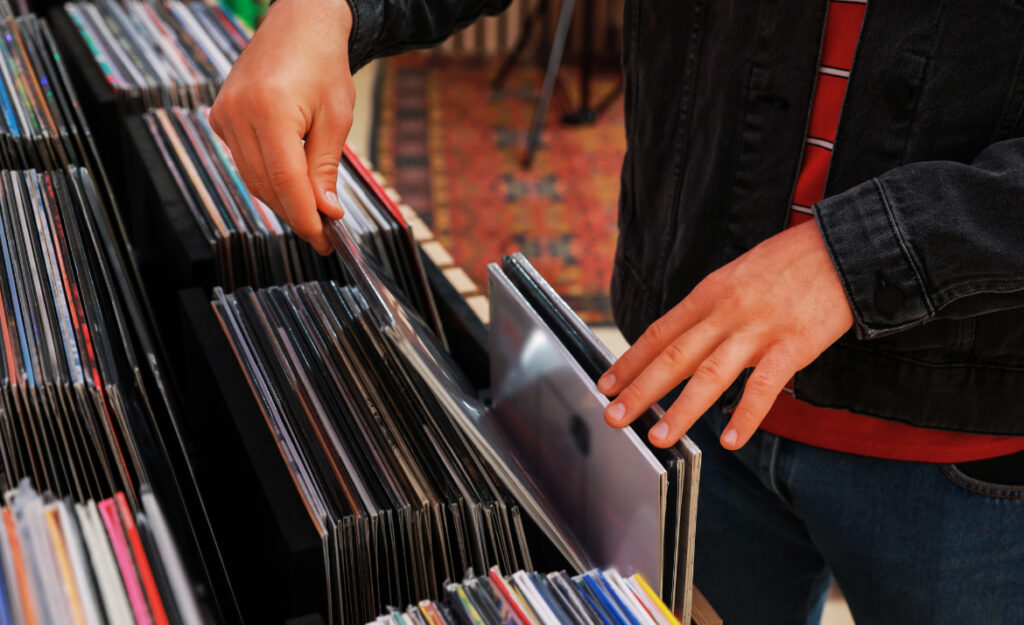
The thrill of the hunt keeps vinyl collectors coming back to record fairs, where each table could hide a hidden gem. Navigating record fair negotiation, however, can sometimes feel overwhelming without a little know-how.
Record fairs are gatherings brimming with unique vinyl, passionate sellers, and like-minded collectors. They create rapid-fire opportunities to land rare editions or score a bargain, making the art of negotiation especially valuable in this environment.
Diving into this guide, you’ll get practical record fair negotiation strategies grounded in experience—geared to help you spot true value, negotiate positively, and walk away confident that every dollar spent was well worth it.
Building Rapport Early Gets You Better Deals From Vendors
Breaking the ice with vendors as soon as you approach their booth can transform the tone of any record fair negotiation. A smile and casual greeting go a long way.
Sellers remember friendly faces—those who build rapport are far likelier to receive discounts or early looks at premium stock. Keep conversation natural and mention any shared interests in specific genres.
Ask About Pricing Logic, Not Just The Sticker Price
Instead of just glancing at the sticker, try, “I see a few price tags are different here—what’s the story behind these prices?” This tactic reveals sellers’ flexibility and reasoning.
Many vendors adjust prices on classics, limited editions, or sought-after labels. Understanding that logic lets you steer negotiations toward underappreciated gems or get a friendly discount.
You’ll signal genuine interest, not just haggling for the sake of it. This approach usually opens up further conversation—often to your advantage in record fair negotiation exchanges.
Use Shared Collecting Stories To Turn Vendors Into Allies
Discuss a memorable find, ask about vendor favorites, or mention your own collecting focus. Vendors love buyers who clearly appreciate vinyl, not just a quick deal.
Say, “I found a similar pressing at a fair last year, and I’ve been on the lookout since.” This story-driven approach transforms you from stranger to a trusted fellow hobbyist.
Sellers are motivated by connection; they’re more willing to negotiate when you show respect for the community and its unspoken rules of record fair negotiation.
| Rapport Strategy | When To Use | Vendor Response | Takeaway |
|---|---|---|---|
| Smile & Casual Hello | First Box Flip | Relaxed, Positive | Start negotiation on a friendly note |
| Comment on Genre | Spotting Favorite Records | Engagement, Recommendations | Opens deeper conversation |
| Share Collector Story | Mid-Negotiation | Trust, Camaraderie | Gain insider tips or discounts |
| Ask About Pricing Choices | Reviewing Several Items | Transparency, Flexibility | Identifies potential for deals |
| Express Respect for Condition | High-Value Albums | Professionalism, Openness | Justifies reasonable offers |
Spotting Deal Potential by Reading Condition and Pressing Info
Being able to quickly judge both the condition and pressing of a vinyl record helps you initiate more successful record fair negotiation. Accurate assessment reduces lowball offers and builds trust with knowledgeable vendors.
Buyers who flip a record, check label codes, and reference matrix numbers show they mean business. Sellers respond well to this professionalism, sometimes lowering prices for careful evaluators.
Use a Mental Checklist for Condition: Groove, Sleeve, Label
A fast scan of surface marks, sleeve wear, and label quality can determine real value. Use a pocket flashlight or smart phone’s light for a closer look at grooves.
- Examine grooves for scratches and see if they’re deep or superficial. Mention what you see aloud so sellers know you’re not making it up.
- Lift the record out carefully—if the sleeve is split or the seams have wear, factor this into your negotiation. Describe the flaws tactfully when making an offer.
- Check the label for spindle marks or writing. Gently point out any sticker residue or faded logos and ask, “How do these affect price here?”
- Breathe lightly on the vinyl’s surface; haze may show light cleaning needed. Point this out respectfully to highlight negotiation points without insulting the seller.
- Spot stamps or aftermarket stickers signifying promos or radio station use. These can affect value either up or down; clarify with the seller for use in negotiation.
Each step arms you with specifics for negotiating value, ensuring you don’t accidentally overpay at a record fair negotiation.
Evaluating Pressings: First, Later, Reissue—What To Say
Distinguishing between an original and a reissue is a major step for record fair negotiation. Reference runout codes, pressing plant info, and label designs aloud as you inspect.
- Hold up the record and say, “It looks like this is a first press from the matrix number and label font—would you agree?” Make sure to sound genuinely curious.
- Compare with any reissues on the same table. Ask the vendor for stories about obtaining certain pressings; this creates insight into current market demand.
- Ask, “Are there other pressings under the table?” Many vendors stow rare records away, waiting for a savvy question. Don’t be shy about requesting to see them.
- When noticing a promotional cut or stamp, point and say, “Promo edition here—does that impact price? I might be interested if it’s within my range.” Be honest rather than pushy.
- If there’s ambiguity about rarity, check your phone for online discography info, but invite the vendor into the process: “Let’s double-check the runout—does this match the listings?”
This transparency fosters honesty in record fair negotiation, and sellers will view you as a respectful and thorough collector.
Effective Set Price Offers Win Over Hesitant Sellers
Presenting a fair, clearly reasoned offer at a record fair negotiation shows vendors you understand both the market and what collectors want—a technique that gets better results than haggling for its own sake.
Frame your price by referencing evidence (condition, pressing, recent sales) and round to whole numbers. This direct yet professional manner lets a seller feel in control while considering your offer.
Bundle Records to Build Better Bargains
Bring several records to the counter, set them down, then say, “If I take all of these, could you do $X for the lot?” Specificity feels respectful, not pushy.
Bundle discounts motivate vendors, compressing negotiation into one easy step. This is especially effective near a fair’s end, when sellers are eager to offload inventory.
If a vendor counters, respond with “Would you do $X.50?”—adding the extra fifty cents softens your stance, showing flexibility and increasing the chance they’ll accept your price.
Show Cash and Politely Pause to Nudge Acceptance
After suggesting your price, count the cash visibly as you wait for their response. Sellers facing actual money often agree to fair offers faster than when offers are abstract.
This subtle use of body language demonstrates both seriousness and readiness to close the deal. If sellers hesitate, add a friendly, “No worries if not, just let me know.”
Such patient, non-confrontational negotiation pays off regularly at record fairs—especially for those practicing their record fair negotiation skills consistently.
| Offer Technique | Situation | Seller Reaction | What To Try Next |
|---|---|---|---|
| Bundle Offer | 3+ Records | Open to Discount | Add one more item for a better price |
| Evidence Price Reference | Rare Album | May Counteroffer | Offer slightly higher, request promo sleeve |
| Exact Cash Ready | All Deals | Decisiveness | Be ready to leave if not accepted |
| Respectful Decline | Price Too High | Sometimes Lowered | Thank them, check back later |
| Last-Hour Discount | End of Fair | Fast Sale | Be present at closing, ask directly |
Reading Nonverbal Cues Guides When to Push or Pivot in Negotiation
Noticing a vendor’s tone, hesitation, or willingness to chat helps fine-tune any record fair negotiation. Observing these details tells you when to gently push or when to back off and try a new approach.
If a seller’s posture closes, or if answers turn brief, ease up and revisit a couple of minutes later. Conversely, if they light up discussing certain records, linger on that shared enthusiasm as leverage.
Mirror Positive Gestures to Build Trust
When vendors lean forward to explain or gesture toward a record, mimic those friendly actions. Matching body language fosters trust and signals you’re a serious, respectful buyer.
Keep your arms relaxed and mirror their conversational tone. This subconscious mirroring makes negotiation smoother, disarming tension and opening space for mutually satisfying deals.
A seller who relaxes their posture or begins to talk more about their stock is growing receptive—keep dialogue easy and reinforce interest through shared gestures.
Recognize “Walk-Away” Moments and Use Them Strategically
When you sense a negotiation isn’t moving, thank the vendor and put the record back gently, saying, “I’ll keep looking, but let me know if you change your mind.”
This exit saves face for both parties and frequently encourages sellers to reconsider as you walk away. Use it as a respectful, calm fallback—a skillful closing move in record fair negotiation.
Check back subtly later, especially if the item’s still unsold. If so, try your offer again with reference to your earlier conversation.
Timing Purchases for Best Pricing and Inventory Access
Arriving early or lingering late at a record fair can dramatically affect what you find and the terms you get. Planning your timing is a concrete way to improve every record fair negotiation.
Early shoppers snag first pick of rare pressings, while late-comers are rewarded with flexible deals from vendors eager to lighten their load before closing time.
- Arrive 15 minutes before doors open to be among the first to scan through crates—vendors notice early-birds and offer a different energy than to mid-fair crowds.
- Bring coffee or snacks for yourself—and maybe extra for a vendor. Generosity at the start of the day builds instant rapport useful later in a record fair negotiation.
- Schedule a break mid-afternoon to revisit booths. Afternoon vendors may have relaxed their initial pricing and are more open to negotiation.
- Prioritize must-have records during the opening hour, but reserve budget for last-minute markdowns just before closing. This lets you maximize both selection and savings.
- If a record hasn’t moved by the end, politely ask the seller—”Would you do a closing price on this one?” Vendors often reward patience and persistence.
Within these windows, always keep negotiation friendly. These little timing tactics strengthen your chances of scoring records at your preferred price.
Documenting Agreements and Protecting Against Buyer’s Remorse
Wrapping up a record fair negotiation with a casual handshake is satisfying, but taking a quick cell phone snapshot of the record, price, and vendor stand helps document major purchases or rare finds.
This isn’t about mistrusting sellers; it’s about protecting your own collecting journey. Make notes in a dedicated vinyl app or jot condition details on your phone for easy reference later.
- Photograph record labels, sleeve wear, and unique identifiers. These images help confirm details if you or the seller need to revisit a price or authenticity issue.
- Ask for a business card or vendor contact so you can follow up if needed—especially if buying higher-value vinyl during the record fair negotiation process.
- Keep receipts or written notes for every deal above a set value. Email yourself these details to never lose track of what you paid and why.
- Trust your gut. If a deal feels rushed or a vendor seems evasive, pause. Buying under pressure is one thing seasoned record fair negotiation experts avoid.
- Review your phone’s gallery after the fair to cross-check your haul against online values, so you know exactly how you did—both financially and as a collector.
If you uncover any concerns, reach out promptly using your documentation. Most sellers appreciate thoroughness and resolve issues amicably, keeping the spirit of the hobby alive.
Confident Closing and Long-Term Relationship Building
Bringing all these steps together makes each record fair negotiation a growth experience. Buyers who track their interactions, communicate clearly, and respect both their own and sellers’ time become recognized and well-liked within their collecting communities.
Following through on promises to vendors (like returning for a reserved item) cements relationships. These repeat contacts can pay dividends: early access, exclusive deals, or heads-up on future events.
- Send a thank you email or message if you had a great fair experience. Sellers remember appreciative buyers and sometimes return the favor with first picks or insider news.
- Share your collecting milestones with trusted vendors. If you land a major grail, report back—the next conversation at a record fair negotiation can start with jokes and mutual congratulations.
- Respect “no holds” policies, as breaking trust around these ruins long-term rapport. Show that you value the relationship as much as the purchase.
- Build a quick spreadsheet or written log of your fair visits, records sourced, and deals struck. Over time, this gives you a powerful negotiation memory bank.
- Support fair venues and local sellers by spreading the word or inviting friends next time; vibrant fairs depend on repeat visitors and positive word-of-mouth among collectors.
When you engage with respect and gratitude, every record fair becomes more than a shopping day—it’s a chance to invest in the culture while boosting your own negotiation confidence.