
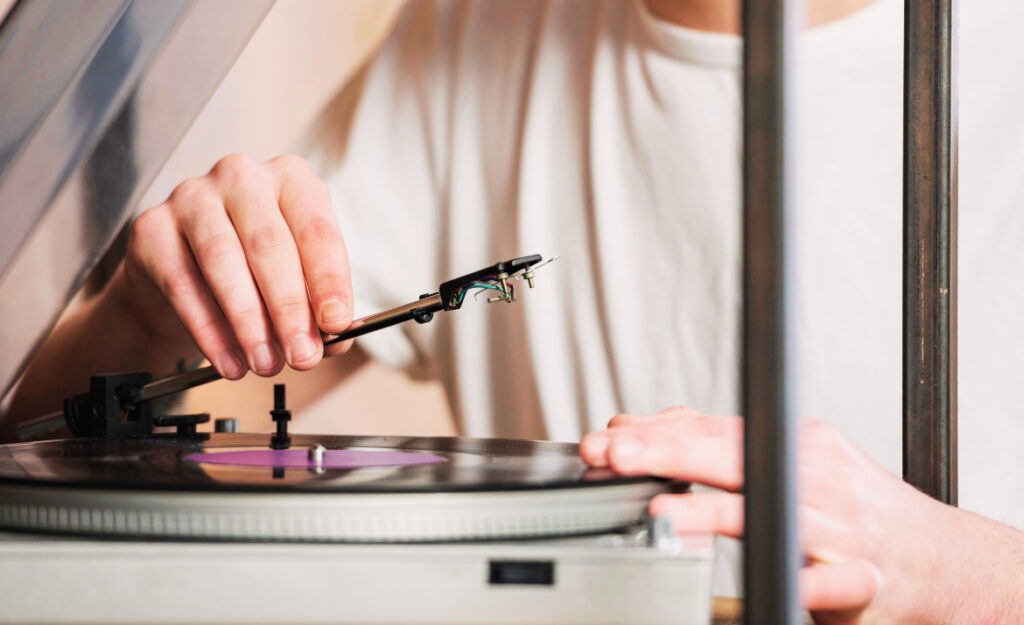
You drop the needle, hear that satisfying pop, and the music fills the room — but behind great sound is care. Paying attention to seasonal turntable maintenance can be what keeps those moments crisp and scratch-free for years.
With each change in temperature and humidity, vinyl and gear react subtly, sometimes in ways you barely notice — until the music loses its magic. Staying ahead means responding to the seasons, not just reactively, but through simple, mindful routines.
This article brings together actionable steps, handy comparisons, and real-world tips for record collectors who want their vinyl to sound pristine. Stick around for field-tested ways to extend your turntable’s lifespan with every passing season.
Adapting Setup to Weather for Consistent Sound
Seasonal turntable maintenance starts by noticing how air quality and temperature changes can affect playback. As seasons shift, bringing in heat or humidity, records and cartridge alignment can shift subtly too.
Chances are, someone in your household has complained about static or sluggish sound around winter or after a damp spell. Adjusting your setup ensures clarity remains no matter what nature brings.
Fine-Tuning for Winter’s Dry Air
Once the air turns dry, static can build on both discs and platter mats. You’ll see records cling more and dust lift with every flip. Combat this by wiping surfaces with antistatic brushes and using a carbon-fiber mat.
Add a small, room-sized humidifier right near your turntable. Watch for static crackles while cueing up tracks — if they intensify, increase humidity or adjust your cleaning frequency. Listeners usually notice a sweeter, more dynamic sound afterward.
Winter is also a good time to check cable connections and tighten the tonearm weight, as plastic and metal contracts slightly in cold spells.
Protecting Your System in Summer Heat
High temperatures can warp or bend delicate vinyl and even cause stylus adhesive to weaken. In heat waves, store your records vertically, out of sunlight, and avoid running the turntable right after bringing in new, warm records.
If your room’s air feels thick and muggy, keep a dehumidifier going in your music space. Check alignment — expansion can knock your tonearm slightly out of true. A two-minute check keeps playback sharp.
Summer listening sessions last longer, but always allow your cartridge to cool fully before packing up. Warped records risk damaging the stylus.
| Season | Common Issues | Quick Fix | Pro Tip |
|---|---|---|---|
| Winter | Static buildup | Use antistatic brush | Humidifier by setup |
| Spring | Dust accumulation | Deep clean platter | Check belt tension |
| Summer | Humidity/warping | Dehumidifier near gear | Store vinyl upright |
| Fall | Changing conditions | Inspect stylus alignment | Clean contacts monthly |
| Year-Round | Alignment drift | Check tracking force | Log adjustments |
Cleaning Rituals for Each Season
Keeping dust, static, and finger oils at bay improves sound and prevents stylus wear all year. Each seasonal turntable maintenance cycle warrants adjustments to your cleaning routine.
By staying on top of cleaning, you prolong both vinyl lifespan and consistent audio performance. The right cleaning habits also prevent the need for more costly repairs down the line.
Winter: Focus on Static and Debris
The cold, dry air invites extra static and dust. Use anti-static record sleeves after every play session, and brush your stylus gently before each side.
- Replace felt mats with rubber or cork to reduce static transfer, especially when the heating is on.
- Wipe the platter rim with a damp microfiber cloth to catch loose debris and avoid buildup during long dry spells.
- Upgrade to non-abrasive cleaning solutions for both vinyl and stylus, which help avoid micro-scratches under close winter inspection.
- Install a small air purifier in the room to keep dust levels lower, so you’ll spend less time cleaning and more time listening.
- Label sleeves by play frequency, storing most-used records closer to the system — reduces risk of handling clumsy stacks.
Implement these routines right after a cold snap. Your collection will sound more alive, and your stylus will thank you with fewer skips or fuzz.
Summer: Tackle Humidity and Mold
When air turns moist, mold can sneak into record grooves and on turntable mats.
- Wipe records and the platter after each use with a dry, lint-free cloth to prevent moisture from lingering on grooves.
- Store all vinyl in its jacket between plays with desiccant packets in the crates to capture extra humidity.
- Apply a mild, isopropyl cleaning solution to clean tough spots, especially any visible mold near label edges; use sparingly and let it dry thoroughly.
- Clean and dry slipmats weekly during summer — even textile mats absorb humidity and can grow musty if ignored.
- Inspect rack corners and spatial gaps near the turntable for condensation to address possible mold growth before it spreads to your entire stack.
Start these habits with the first sticky days of summer. Your vinyl’s sound and look will remain gorgeous, and you’ll avoid musty surprises.
Checking Cartridge, Belt, and Arm Precision
Regular checks of moving parts ensure every seasonal turntable maintenance cycle gives rich, accurate sound without skips. Ignoring these moving parts can flatten dynamics or create tracking errors with each shift in climate.
With just a few tools and a checklist, you prevent wear on records and preserve stylus life longer.
Maintaining Cartridge Alignment Day-to-Day
Misalignment causes mistracking, surface noise, and record wear. Use a protractor or built-in guides to double-check your cartridge position every three months or after temperature swings.
Lately, many listeners report surprisingly dramatic sound improvements after aloof adjustment, saying, “I thought the highs were just dull before. Now everything is crisp.”
Copy their routine: remove cartridge, confirm angle, listen for restored sparkle. Most listeners notice the difference immediately — trust your own ears as your guide.
Keeping Belts and Motors Smooth
Belt-driven tables may slip if the weather changes. Watch for speed inconsistencies when the turntable starts sounding sharp or flat.
Replace any belt that feels loose or dried out. New belts are inexpensive but make a dramatic difference — keeping records in tune and reducing motor strain.
Clean the motor pulley with alcohol on a cotton swab twice a year. If it squeaks or hesitates, that’s your cue to act.
Organizing Vinyl Storage for Environmental Stability
Keeping records in stable temperature and humidity matters just as much as equipment maintenance. Seasonal turntable maintenance extends to thoughtful storage, protecting jackets, grooves, and labels from unnecessary stress.
Treat vinyl like delicate books: they stay safest upright, not stacked, and in consistent conditions year-round.
Using Storage to Prevent Warping and Mold
Choose furniture offering both vertical support and airflow: open-shelf racks work best. Avoid closets or cellars prone to fluctuating moisture or trapped heat — even a few weeks in the wrong spot can bend or cloud vinyl.
Adding small silica gel packets to crates helps buffer microshifts in humidity. One listener, organizing a move, found the packets kept rare pressings fresh and glossy all summer.
Every month, do a finger-check and tilt records slightly to feel if anything sticks. Sticking equals moisture build-up: act immediately if you notice any drag.
Labeling for Fast Access and Safety
Fast access means less unnecessary handling and reduced risk of accidental drops. Use color-coded stickers to group by genre or decade.
Friends organizing big, eclectic collections say, “I know right where every jazz record sits, even with the lights off.” That sense of order preserves covers and edges over years.
Leave half an inch between records for easy thumb-flicking; packed records lead to crushed sleeves and more warps.
Listening Habits That Preserve Longevity
Your listening routine can make or break a collection. Each action, from lowering the needle to returning records to their sleeves, plays a part in this seasonal turntable maintenance strategy.
Listening with intention helps you stop problems before they get worse and keeps every session as refreshing as the first.
Playing with Care and Precision
Lower the stylus gently each time — automatic arms help, but manual operation builds skill and mindfulness. Even slight drops can dent grooves.
Always wait for records to acclimate to room temperature before play. Cold or hot vinyl can warp as soon as it hits the turntable.
Use headphones at moderate volumes during late-night sessions; excessive volume on old or worn grooves may worsen hiss or pops over time.
Developing an Inspection Habit
Before playing, check the record for visible debris or warps. Bad scratches are a warning sign to clean or set aside for repair.
If you notice skips, don’t force through. Instead, stop playback, clean the stylus, and visually check for lodged dust. This simple pause prevents permanent groove damage.
Every few plays, rotate which records get the most air time — letting each album “rest” helps avoid dragging the same wear spots over and over.
Small Upgrades That Make a Big Impact
Tiny investments in accessories can pay off in years of reliable playback. Applying seasonal turntable maintenance can involve swapping out old parts or adding simple enhancements for smoother listening.
Start with the basics: add a stylus cleaning kit or upgrade your platter mat, both quick ways to improve system sound and longevity.
Accessory Checklist for Smart Maintenance
- Add a dust cover for off-seasons or travel breaks; this blocks both dust and sunlight, which together can dull vinyl over several months.
- Swap to carbon-fiber brushes for each session to keep debris from embedding in grooves.
- Try record clamps to flatten tiny warps and decrease unwanted vibration, especially if you listen to older releases.
- Switch to lined inner sleeves — paper ones attract dust and static, while lined versions glide smoothly and shield surfaces.
- Install a small hygrometer by your turntable so you’re always aware of shifts in air quality and can adjust routine on the fly.
Start with one or two additions each season, and track improvements in a notebook for future adjustments and system upgrades.
Summary: Building a Year-Round Caring Routine
Quiet moments filled with vinyl warmth depend on regular, season-aware care. Embracing seasonal turntable maintenance will keep each record — and its memories — sounding their best, no matter how the weather swings outside.
Being present in every little maintenance task makes the difference between temporary, dull playback and decades of vivid listening. Every step, from dusting to aligning, helps you protect what’s irreplaceable in your collection.
Add your favorite trick or routine to those listed here, and you’ll help others in your vinyl-loving circle keep the music alive through every season’s changes.