
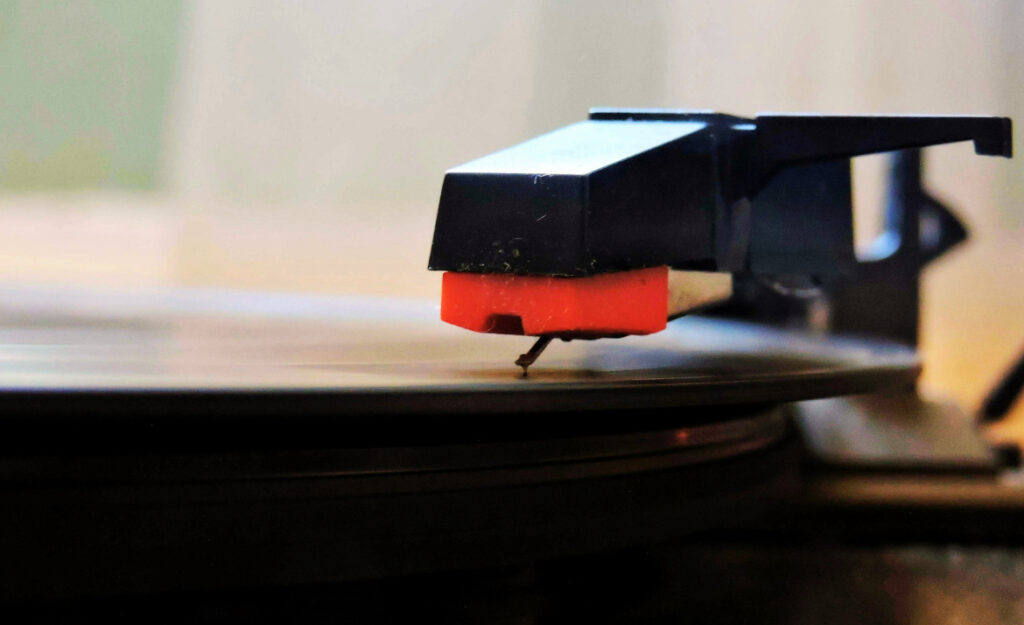
When you drop the needle on your favorite vinyl, that satisfying crackle can say more than you think. Subtle noises or distortions are often signs that stylus wear detection deserves your attention. Skipping this step may cost you your records’ pristine sound over time.
Vinyl lovers know their collection’s value isn’t just sentimental. Detecting stylus wear early extends both stylus and record life, keeping playback clear. A worn stylus can cause skipping, distortion, and even permanent groove damage if overlooked for too long.
This guide pulls together practical, hands-on advice for anyone seeking cleaner playback. If you care about audio quality, stylus wear detection tips belong in your routine. Discover actionable steps to catch wear before it ruins your sound.
Inspecting Your Stylus for Early Warning Signs
Spotting stylus problems early means less risk to your vinyl and lower costs overall. Proactive inspection will keep your collection performing its best. Start with a clear, well-lit workspace and a steady hand each time you check.
Using a magnifying glass or small jeweler’s loupe can reveal tiny flaws. You’ll want to see the tip from different angles, searching for any obvious chips, flat spots, or debris that regular cleaning won’t remove.
Telltale Visual Signs Vinyl Collectors Should Recognize
A healthy stylus has a well-defined, round tip—never jagged or misshapen. Dullness, shininess where the material should be matte, or a bent cantilever are early warnings. Scrapbook these mental images for later comparison.
Record groove residue may build up near the stylus tip, especially after heavy use. If regular cleaning doesn’t remove it, check for tiny cracks where dust collects. This hints at underlying wear beyond routine grime.
Worn stylus edges reflect light differently under a lamp or phone flashlight than newer ones. With experience, you’ll recognize these subtle cues immediately—just like spotting wear on a beloved sneaker’s tread.
Listening Tests That Reveal Stylus Distress
Subtle clicks or scratchy high frequencies are early sonic flags. Devotees say, “I started hearing sibilant S-sounds and fuzz that wasn’t there last month.” Play a favorite record’s opening and closing tracks for a fair comparison.
Consistent left or right channel drop-outs point to misalignment or wear imbalance. If a new record sounds warped or loses clarity on cymbals and vocals, assume the stylus is the culprit and pause before more use.
Keep a journal of playback impressions after each inspection. Note times when detail or dynamics shift. Past notes help track stylus wear detection trends, preventing costly guesswork about which part needs replacing.
| Warning Sign | Visual Cue | Sonic Effect | Next Best Step |
|---|---|---|---|
| Stylus Flat Spot | Tip loses roundness | Lost high frequency detail | Stop play, consider replacement |
| Bent Cantilever | Crooked stylus body | Unbalanced channels, skipping | Pause use and realign or replace |
| Minute Cracks | Lines near tip | Clicks/pops appear suddenly | Clean, inspect, prepare to replace |
| Excess Debris | Dirt that won’t brush off | Distorted playback | Deep clean, recheck regularly |
| Shiny Facets | Unusually smooth/reflective | Muffled or sibilant audio | Monitor sound, plan upgrade |
Routine Habits to Prevent Premature Stylus Wear
Daily routines play a big role in stylus wear detection and lifespan. Approach vinyl playback as a ritual for cleaner, longer-lasting sound. Careful handling and regular habits can drastically reduce subtle wear over months of listening.
Cueing your tonearm gently, like lowering a delicate ornament, keeps sudden impacts from deforming the stylus. Each extra touch adds up, so make each movement purposeful and controlled.
Establish Consistent Cleaning Practices
Brush the stylus gently before each session with a soft carbon fiber brush. This removes stuck-on dust that can abrade the tip. Always brush from back to front to avoid bending the fragile cantilever.
Clean your records with a microfiber cloth or a dedicated cleaning solution before each play. Keeping those grooves free of grime means less debris ends up on the stylus. Stubborn dirt means it’s time for a deeper cleaning method.
Cycles of play and cleaning reinforce each other. Think of cleaning as flossing for your records—skipped sessions lead to buildup you’ll eventually hear. If you’re pressed for time, prioritize stylus cleaning over record cleaning for a quick win.
- Always cue records with a steady hand to reduce stylus stress. Quick, sharp drops wear out the tip faster and can cause damage that’s tough to reverse.
- Keep dust covers closed between sessions to shield your stylus and platter. This prevents airborne particles from accumulating on the stylus between uses.
- Store vinyl upright, never stacked. Warped records make stylus tracking difficult, which accelerates tip wear and can harm sound quality across your collection.
- Replace worn anti-skate and tracking force settings regularly. These adjustments keep the stylus in groove alignment, dispersing pressure evenly for consistent wear patterns.
- Check cartridge alignment twice a year. Misalignment leads to uneven groove contact, which increases stylus wear and distorts playback. Use a simple protractor tool for foolproof setup.
Integrating these habits means problems are less likely to sneak up. A routine helps you spot stylus wear detection clues before they turn into expensive repairs.
Double-check Stylus and Cartridge Fit
Confirm the cartridge is secure, not wobbly or loose. When you move the tonearm, nothing should rattle. A secure fit keeps pressure even and playback balanced from left to right.
- Inspect screws and mounting clips monthly for snug fit—loose hardware shifts stylus angle mid-play and accelerates wear, especially on high-output cartridges.
- Gently tug wires once per season to test for hidden slack. Any movement can allow micro-vibrations to distort tracking and shorten stylus lifespan.
- Review manufacturer guides for correct torque. Over-tightening is just as dangerous as under-tightening, as it pinches the cartridge body and misaligns the stylus tip.
- Re-calibrate stylus overhang with a measurement gauge. Even a 1mm difference causes dimpled, uneven wear right where the stylus meets the grooves.
- If sound shifts channels during play, adjust and test alignment immediately—don’t wait. Fast fixes stop small mistakes from developing into full stylus failure.
Following these steps each season extends stylus and record life, so you hear music—not wear—at every session.
Tracking Playback Hours to Gauge Stylus Health
Keeping track of usage hours provides a direct link between listening habits and stylus lifespan. Tracking relates back to stylus wear detection because hours played translate to measurable tip fatigue. Regular monitoring means fewer surprises.
Attach a small notebook to your turntable or log hours in a smartphone app. Each time you listen, mark down the start and stop time. Patterns will emerge over months, hinting when to replace your stylus.
Simple Hour-Logging Method for Peace of Mind
If you play an average of two records a week, your stylus will accumulate nearly 100 play hours in six months. Frequent listening or longer sessions may push that total higher before you notice any warning sounds.
Many stylus manufacturers suggest replacement after 500 to 1000 hours. Recording every session provides a realistic baseline, since wear varies by cartridge design and vinyl condition.
Label your stylus when you install it—date, cartridge type, and any special notes. This helps track performance against hours logged, sharpening your ability to spot changes in playback quality linked to stylus fatigue.
Setting Alerts for Timely Replacement
Create simple calendar reminders based on your average play habits. For example, a prompt every six months nudges you to inspect and consider upgrading.
Reset counters after each replacement to avoid confusion. Mixing up new and worn stylus records invites accidental overuse, undermining sound quality and risking groove damage to favorite discs.
Friends sharing turntables should agree on a single logbook. Collective tracking makes it easier to catch stylus wear detection cues before they become group-wide frustrations. Everyone enjoys consistently clean playback—no surprises or guesswork.
Recording Maintenance Experiences and Outcomes
Documenting record cleaning and stylus care connects daily habits to sonic results. A basic spreadsheet or analog logbook lets you compare when issues first appeared and which interventions worked. This improves stylus wear detection over time and keeps routines intentional.
Write down the cleaning method, any visible stylus flaws, and specific audio changes heard during play. Tag improvements or regressions so you notice trends faster. Reviewing notes quarterly spots small issues before they become big costs.
Identifying Successful Tactics for Preventing Wear
Records with fewer pops after wet cleaning, or styluses lasting longer, show your methods work. Comparing these cases sharpens your routine. Note precisely what you changed—brand of brush, cleaning fluid, or anti-static steps.
Capture emotional reactions too—“record sounded lively again,” or “first clean side was silent, second side wasn’t.” Details like this make logs more than technical lists. They create a living map of your stylus’s journey.
If your wear detection notes match manufacturer guidelines for replacement, you can confidently budget for upgrades. Unexpected patterns—like sudden stylus crackling after a new cleaning solution—flag steps to review or reverse. Record lessons as you go.
Planning Scheduled Inspections for Each Turntable
Create inspection calendars by turntable type. For example, check DJ decks every three months due to heavy use, but inspect home-listening tables every six months. Tailoring inspections prevents guesswork and extends both stylus and collection life.
Jot down checklist results: “no debris after deep clean,” “subtle right channel fuzz.” Structure helps you spot stylus wear detection signals that might otherwise blend into background noise. Stay systematic for better outcomes.
Invite fellow vinyl fans to share maintenance logs. Community troubleshooting uncovers new signs or fixes. Collective wisdom makes detection easier and more accurate, leading to longer life for everyone’s favorite records.
Comparing Stylus Types and Expected Lifespans
Understanding stylus types grounds expectations about lifespan and signs of wear. Each shape interacts differently with vinyl grooves, affecting audio fidelity and stylus wear detection timelines. Choose the right style for your needs to maximize clarity and minimize risk.
Spherical, elliptical, and microline tips each suit distinct listening scenarios. DJs favor spherical tips for durability, while audiophiles seek microline tips for detail. Match cartridge to listening habits for best results.
| Stylus Type | Average Lifespan (hours) | Sound Profile | Best Use Case |
|---|---|---|---|
| Spherical | 400-500 | Robust, modest clarity | DJ, party environments |
| Elliptical | 500-800 | Detail, clear highs | Casual listening |
| Microline | 800-1200 | Finest detail, low distortion | Archival or hi-fi playback |
| Shibata | 700-1000 | Wide response, warm sound | Audiophile, classical |
| Line Contact | 800-1000 | Smooth and extended highs | Critical, detailed listening |
Checking Record Quality for Clues About Stylus Health
Sampling new and old records adds context to stylus wear detection efforts. Clean records provide a blank slate for sonic inspection. Poor-sounding playback on a known-clean record typically points to stylus fatigue or damage.
Regularly alternate between favorite, often-played albums and less-used discs. Unusual noise only on the old standards can signal stylus wear, while constant issues across records may mean a cleaning or upgrade is overdue.
Cross-Test With Trusted Reference Albums
Create a shortlist of three albums with distinct genres and dynamic ranges. For example, pair a vocal jazz LP with a rock classic and an orchestral recording. Substitute in new records occasionally as benchmarks grow too familiar.
Listen for familiar details—cymbal crispness, low-end punch in bass lines, clear vocal sibilance. Document shifts in any of these elements as early warnings of stylus or groove degradation resulting from repeated plays.
If friends comment, “didn’t this record sound clearer last week?” treat this outside feedback as valuable. Comparing impressions ensures your stylus wear detection stays objective—even experienced listeners miss changes after hours of solo listening.
Compare Different Pressings Under Stable Conditions
Play identical tracks from two pressings or reissues of the same album. Significant differences in channel clarity or distortion may highlight stylus tip fatigue, especially if both records are in similar condition and have been cleaned.
Switch sources repeatedly, noting any struggle the stylus has with tracking loud sections or sibilant vocals. Stylus strain emerges most clearly during complex grooves and high-dynamic-range passages, so alternate frequently during inspections.
Write down changes you hear, no matter how subtle. Stylus wear detection benefits from repeatable, documented listening experiments—your historical data set builds diagnostic skills and confidence for future upgrades.
Getting the Most Out of Your Stylus Investment
Strategic stylus care pays dividends long-term, preserving both your sound and vinyl collection. Each step outlined here aims to make your stylus wear detection efforts second nature. These routines protect music’s life on wax for years to come.
Embrace a habit-based approach, starting with visual checks and expanding into structured logging and playback analysis. Consistent action ensures you fix problems early, before they become session-ending repairs or say goodbye to treasured LPs.
- Schedule stylus inspections every three months to track subtle wear changes. Add entries to your audio log, noting surface appearance and sound each time.
- Upgrade to a higher-quality cartridge when stylus fatigue advances. Advanced profiles offer longer life, reduced distortion, and heightened detail for critical listening.
- Pair your stylus upgrades with record cleaning tools. Even the finest tip performs best on grooves free of static and grit, warding off premature dullness.
- Share findings and troubleshooting tips with friends who also spin vinyl, building group knowledge and refining stylus wear detection skills together.
- Prioritize stylus replacement over risk—delaying can cost both stylus and precious records. Invest in timely upgrades to keep enjoying lifelike, distortion-free audio.
The right habits mean a cleaner, more consistent vinyl listening experience—protecting not just your gear, but the stories pressed into every record you own.