
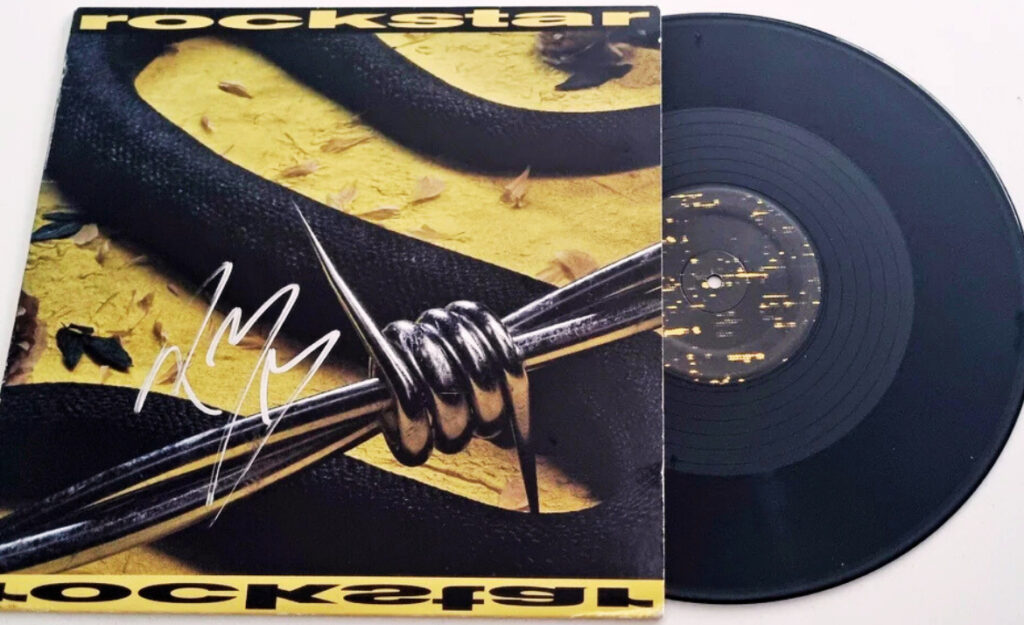
Seeing a signature on your favorite vinyl record sparks a special connection. For collectors, autographed album preservation means more than keeping vinyl shiny; it’s about protecting personal history for years to come.
Signatures personalize albums and boost their sentimental—and sometimes monetary—value. Preserving them isn’t an idle task; it’s an investment in the stories and hands that shaped your collection. Every pen mark can fade or smudge if neglected.
Ready to confidently protect autographed vinyl records? This article unpacks actionable steps and proven strategies for autographed album preservation, with examples and tips tailored for real collectors who want their prized records looking sharp.
Store Signed Sleeves Without Risking Smudges or Fading
Proper storage keeps the pen from fading and the cardboard free from unnecessary handling or moisture damage. You want to enjoy your display without constant worry about what might harm the autograph.
Most collectors slip their signed jackets into archival bags, but the best approach targets each risk: air, sunlight, and pressure. These work together quietly if unchecked—and damage over months, not just years.
Select Archival Sleeves Meant for Delicate Ink
Choose sleeves labeled “archival” or “acid-free.” These sleeves block unsafe air particles, which would otherwise yellow cardboard and break down ink. Slide signed albums in gently, avoiding direct friction where the signature sits.
Vinyl enthusiasts say, “I never touch the pen mark directly—always handle edges with clean hands.” This reduces invisible skin oil transfer that’s notorious for slowly fading signatures over the years. Treat sleeves as you would heirloom photos.
Keep records stored vertically, not stacked, since horizontal pressure can press sleeves together and make artwork or signatures stick. A collector once realized too late: “Three records pressed together, the top got ghosted ink from the bottom.”
Shield From Sunlight and Harsh Light Sources
Direct sunlight causes ink to fade, especially black permanent markers. Place signed vinyl away from windows or UV sources. One trick is to use low-light record rooms with a small lamp, never a harsh overhead bulb focused on displays.
“Within months, my blue Sharpie signature lightened dramatically where the sun hit the stack,” a collector admitted. Takeaway: keep display shelves in rooms with UV protection or curtains, and rotate displays to reduce single-spot exposure.
If you must display signed albums, invest in UV-resistant frames or film covers. These can block much of the harmful light while keeping the autograph visible and the art looking pristine for visitors and friends.
| Storage Method | Protects Ink? | User Effort | Takeaway |
|---|---|---|---|
| Acid-Free Poly Sleeve | Excellent | Easy | Best all-purpose shield for daily collectors |
| Standard Plastic Sleeve | Moderate | Very Easy | Better than nothing, but ink risks minor sticking |
| No Sleeve (Open) | Poor | None | High risk of dust, scratches, and ink fade |
| UV-Protective Frame | Excellent | Moderate | Ideal for long-term display and sunlight rooms |
| Glass Frame (No UV) | Poor | High | Looks sharp but doesn’t block sun damage |
Humidity and Climate Control: Key Steps for Sustainable Preservation
Setting up a reliable environment helps protect vinyl and ink reliably. Too much moisture leads to mold and ink bleeding, while dryness can brittle sleeves and lift signatures as cardboard cracks.
Collectors achieve autographed album preservation by balancing humidity between 40% and 50%, using simple tools found in specialty stores or online. Your storage zone defines your outcome every day.
Humidity Monitoring Essentials
Place a digital hygrometer inside your storage cabinet or near albums. If it reads outside the 40–50% range, consider a room humidifier or dehumidifier. Check weekly, especially after seasonal shifts or big storms that change air quality.
- Switch on a small dehumidifier during damp summer months to block mold, which can ruin cardboard and blur ink.
- Run a humidifier if your home’s dry winter air cracks sleeves and chips marker off signatures.
- Relocate boxes from unfinished basements—raw concrete drives unpredictable humidity spikes that trigger mildew and signature running.
- Seal storage cabinets, using weatherstripping tape, to keep humidity levels steady and out of risky extremes, especially if your climate swings sharply.
- Spot check corners of record sleeves for tiny waves or musty odors; these hint at past humidity problems and give you a warning before damage spreads.
Climate control cuts invisible risks that can slip by veteran collectors. Five extra minutes per week checking controls is all it takes for reliable autographed album preservation.
Dust and Airborne Pollutant Reduction
Keep records in sealed cabinets to block dust and pollen from landing on signatures. Dust attracts moisture and can scuff ink when wiped away. Portable HEPA filters help keep air clean, especially for homes on busy streets.
- Vacuum the storage area with a soft brush, never touching sleeves directly—avoid static that attracts more dust.
- Replace cardboard boxes showing discoloration or rough texture, as these could be hiding mold waiting to grow on signatures.
- Air out seldom-moved shelves every few months to prevent stale air and moisture traps forming unseen at the back.
- Use microfiber cloths—never paper towels or tissues—to gently dust surfaces where signed albums sit. Avoid all cleaners near pen marks.
- Wear clean cotton gloves for deep cleaning or sorting bigger sets of autographed albums, especially if moving them around for cataloging.
Combining humidity control with smart dust management lets collectors stack the odds for clean, legible autographed album preservation—even as collections grow year by year.
Handling Your Records Like a Professional Collector
Handling signed vinyl wrongly can rub or lift ink fast, so small changes to your habits will pay dividends. Learn where to touch and how to interact with signed sleeves without transferring skin oils or accidental pressure.
Glove Usage for Safe Record Handling
Cotton gloves prevent fingerprints and oil transfer, both of which invisibly erode signatures. You’ll notice pros at record stores quickly slip on gloves before showing off a signed rarity—they know it’s about long-term value, not just display.
Remember to size your gloves so they don’t slip and risk dropping sleeves. Avoid “one size fits all” if you plan frequent handling. Change gloves between food handling and records to prevent grime and faint odors from sticking.
Gloves also help collectors develop a sense of ceremony; each handling session becomes a mindful act. Try saying, “This routine connects me to my favorite artist’s moment every time I lift the sleeve.”
Direct Touch Tips to Protect Signatures
Hold albums by the corners and bottom edge, never the front or area with ink. Place thumbs where no design or signature sits—say, the blank border of the jacket or the spine. Practice by touching empty covers until it feels automatic.
If a guest wants to see a signed album, demonstrate how to lift and hold it yourself first. “Feel free to look, but let’s avoid the signed area—hold this side,” you might instruct. This builds respectful habits among friends.
Store albums upright after brief viewing sessions, not face-down on tables, to prevent pressing or sliding that transfers traces of ink to hard surfaces. Even the lightest accidental scuff can abrade delicate signatures with daily movement.
Display Strategies That Defend Signatures While Looking Impressive
Showcasing autographed albums attracts compliments and sparks conversations—but only if you protect the ink. Use smart techniques to balance visibility with security, and rotate displays to manage long-term risks from light and air.
Choose UV-blocking frames and change their position four times per year. It’s like flipping the mattress—a seasonal reminder to check each signature for signs of fading and keep displays fresh for guests.
Matt Frame Approaches vs. Direct Mount Displays
Matted framing suspends the album away from the glass, so moisture and ink don’t touch the frame directly. Look for acid-free mats when framing. Direct mounts press the sleeve flat but could risk ink sticking to glass over time unless you add spacers.
If you must direct-mount, only use UV glass and install in a spot away from kitchens or bathrooms—these create fluctuating humidity that increases ink migration. Rotate direct-mount albums every few months for proper autographed album preservation.
Matted frames suit albums with signatures on the front or back, ensuring nothing touches the ink area while still showing off the autograph. Matted approaches work best for signed artwork that covers much of the cover space.
Floating Shelves Versus Enclosed Cubes
Floating shelves allow quick swaps for changing displays, but expose albums to more air and dust. Place each signed record in an archival sleeve before display, and dust shelves weekly to avoid buildup.
Enclosed cubes or shadowboxes block air more effectively but require careful sizing—measure so sleeves slide in without touching sides, especially if the autograph sits near the album’s edge. Lightly pad the bottom to support steady vertical positioning.
Mix both approaches if storing and displaying dozens of albums. An everyday tip: rotate one “featured” autographed album at a time on a shelf, keeping the rest safely enclosed. This keeps focus on one story while safeguarding the others.
Cleaning Methods That Avoid Signature Smearing
Cleaning is part of autographed album preservation, but the wrong move can immediately destroy a signature. Use dry, gentle methods around inked areas, and avoid all moisture or cleaning agents except for non-signed parts.
Never use glass or vinyl cleaners on signed jackets. Instead, lightly brush the surface with a soft microfiber cloth, keeping pressure away from the signed area. A short script: “I stop before the ink—no wipes, no sprays.”
Targeted Soft Dusting Technique
For visible dust, use a new, dry artist’s brush. Sweep gently away from the signature, moving from sleeve edge toward the middle. Watch for any smearing and stop immediately if you spot ink transfer—switch to dusting only unsinged areas next time.
Any gentle motion works best. Never blow on the cover, as even breath introduces tiny water droplets that can cause ink bleeding. When in doubt, do nothing—maintenance trumps deep cleaning in autographed album preservation.
Replace dusting cloths often. Even invisible particles trapped in cloth weave can act as fine sandpaper, slowly dulling ink with each pass. Use only for a handful of covers before washing or switching to a fresh one.
Safe Record Cleaning Sequence (For Vinyl Only)
While signatures rest on sleeves, the records themselves can gather static and dust. Remove the vinyl record from its jacket first, holding by the label and edge. Clean away from the signed cover entirely, never returning a wet record into its sleeve.
If using a record-cleaning machine, wait until the album is fully dry before sliding it back. Announce the process to any curious onlookers: “I keep autographed jackets out of the cleaning area.” This trains guests to respect your autographed album preservation routine, too.
Slip cleaned records into antistatic liners before reuniting with autographed sleeves. This blocks static and reduces future dust buildup. Make it a habit after every play session.
Smart Cataloging and Photographic Documentation for Insurance and Provenance
Digitally cataloging autographed albums ensures their details, provenance, and value survive loss or accident. Having photos of covers, signatures, and provenance—plus a backup log—makes restoration or insurance claims painless.
Keep a running document or use cataloging apps tailored for collectors. Log specifics, such as date, who signed, conditions, and visible quirks—these are proof points for future appraisals or if you sell or trade records.
Photograph Every Signature and Log Its Condition
Take clear, color-true photos under soft light, skipping all flash. Snap both the whole cover and a close-up of the autograph, noting visible flair or fade. Back up images to the cloud and a separate hard drive for double security.
Catalog each album’s location in your collection. Add records of when signatures were collected or authenticated. A sample log entry: “Signed by artist 9/18/17, silver marker, lower right corner.”
Update logs yearly, adding notes about any changes or incidents (smudge, moisture, display duration). This documentation provides a road map for long-term autographed album preservation—insurance adjusters love this kind of backup, too.
Utilizing Collector Apps for Organization
Collector-specific apps let you tag autographed albums, store photos, and record condition notes. Many apps have templates for provenance and signature notes plus exportable backups. Input data after each record acquisition session as part of your routine.
If you’re not tech-savvy, a spreadsheet and cloud folder do the job. Name photos by artist and date collected for fast search and share. Any digital system is better than relying on memory.
Photographic proof helps with future trades or insurance. If damage occurs, you can quickly show “before” images for proof of prior condition—essential for both valuation and restoration after disaster.
Conclusion: Securing the Legacy of Signed Vinyl Albums
Autographed album preservation rests on conscious habits: safe storage, humidity control, gentle handling, and smart documentation. Each step builds lasting value. With these practical moves, signatures stay legible and vibrant for decades, not just years.
Every signed jacket comes with personal memories, collector stories, or even a brush with musical legends. Protecting these treasures ensures you can revisit those moments or pass them on—complete, authentic, and intact—to fellow fans or family.
The right approach to autographed album preservation lets every signature spark joy and conversation into the future. Begin now, and watch your collection’s legacy endure proudly through changing times and generations.