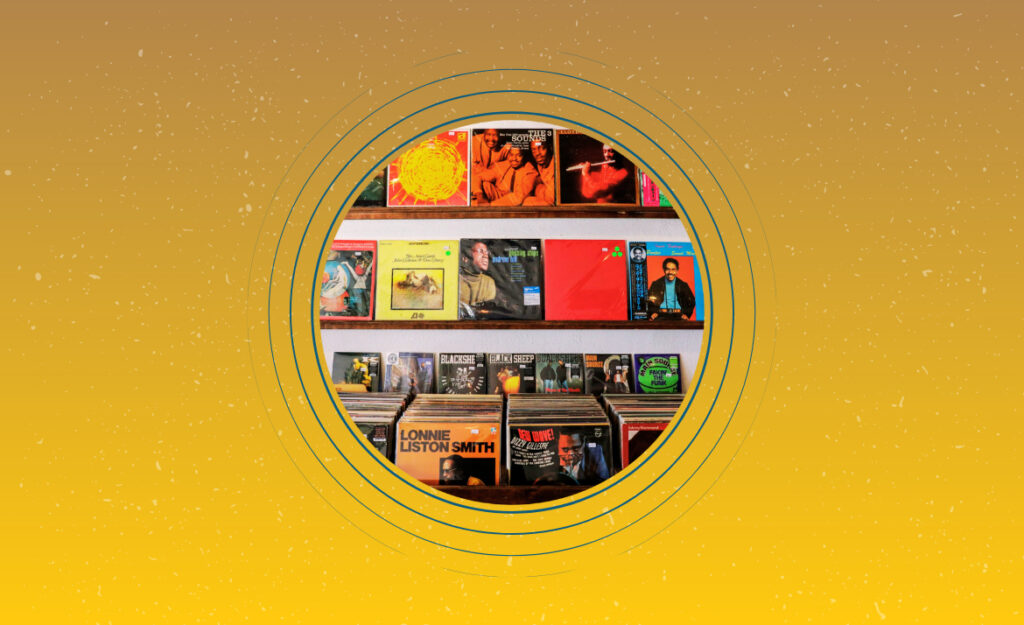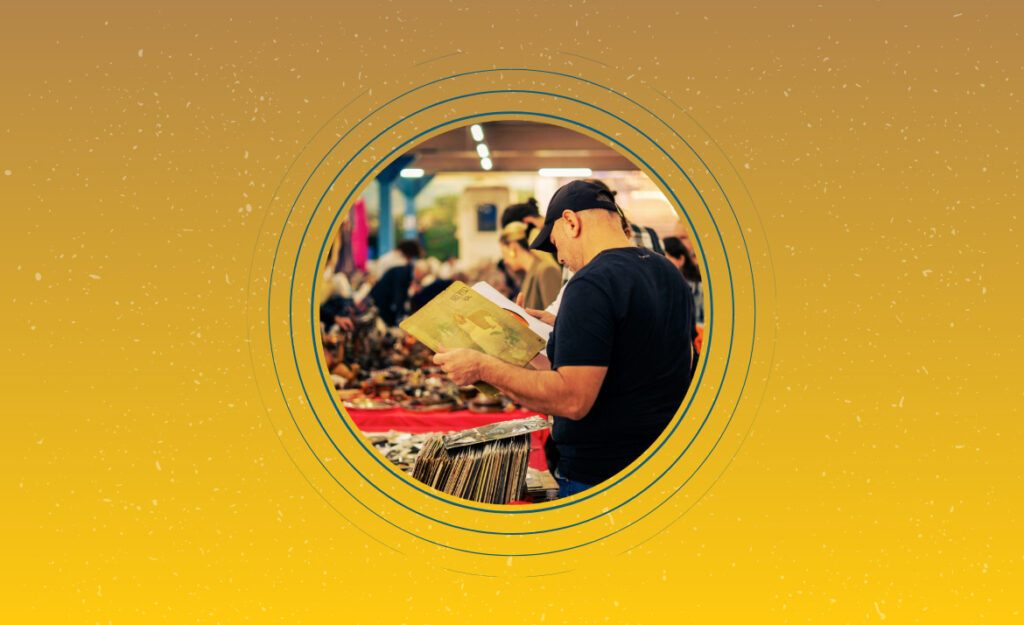
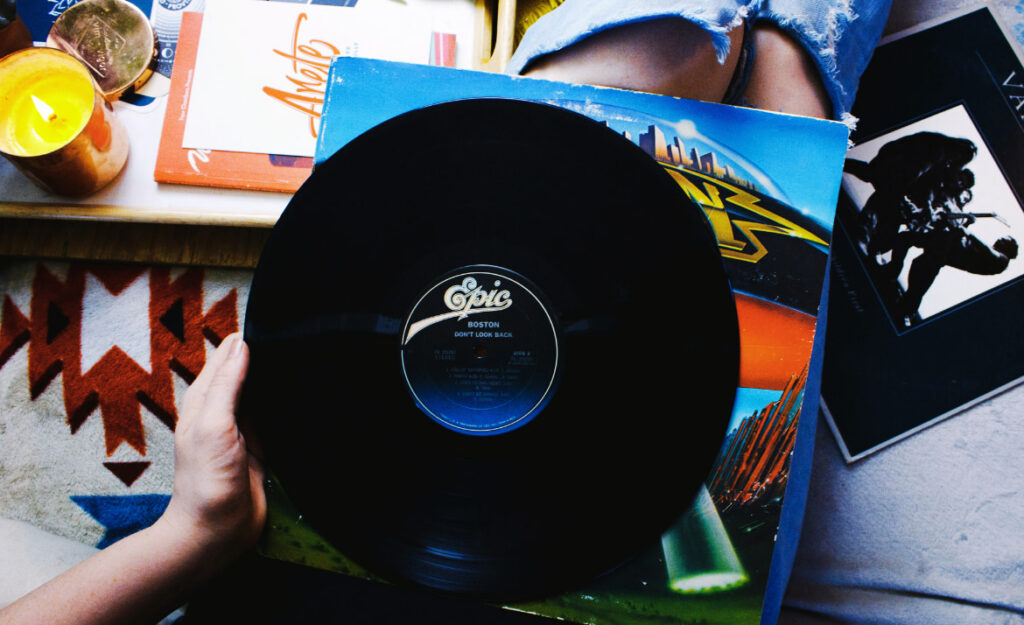
Pulling a record from its sleeve is both a ritual and a memory in motion. The textures, the audible crackle, and the vibrant cover art all connect back to a living vinyl collecting history. Every time you lower the needle, you’re stepping into a story that started more than a century ago.
The ongoing fascination with vinyl collecting history isn’t just nostalgia. It’s a cultural journey marked by vinyl records’ remarkable resilience: through changing technology, they survived, revived, and now thrive as collector’s icons. Knowing this past fuels your appreciation for every new find or rare pressing.
If you’re curious about why so many people keep falling in love with vinyl, this article breaks down the practical lessons, traditions, misunderstandings, and sheer joys that keep the legacy inspiring new generations. Let’s explore what you can learn and use right now.
Building Foundations: Understanding the Timeline of Vinyl’s Origins
By tracing vinyl collecting history from its earliest decades, collectors gain vital context to recognize what makes a particular record rare or culturally significant. You’ll develop a sharp eye for features that separate a vintage classic from a modern reissue.
Vinyl records emerged out of shellac discs of the early 1900s, reshaping music consumption. They offered better fidelity and durability, making it possible for artists and genres to reach new listeners. Recognizing format transitions is the first rule in evaluating any record’s era.
Spotting Early Pressings by Physical Clues
Collectors rely on details like label art, weight, and groove width to identify original releases. Feeling the heaviness of a ’50s mono LP, for instance, differs from a lighter modern reissue—this tactile experience roots you in vinyl collecting history every time you dig through crates.
Scripts or matrix numbers on the runout groove are vital clues. A faint code etched into the wax can confirm an initial pressing and potentially impact value. Compare these with documented catalog numbers before purchasing.
Color variants and label misprints from certain decades also mark transitional moments. When you spot misaligned type or outdated address info, you’re observing traces of production history. Each difference is a mini time-stamp in your collection.
Learning from the Shift: From 78 RPM Shellac to 33 1/3 LPs
Moving from 78 RPM shellac discs to the longer-playing 33 1/3 RPM vinyl was not just technical—it changed how artists structured albums. Early LPs enabled concept albums and uninterrupted listening sessions, making the vinyl format prized for both audio and artistic intent.
When evaluating a record’s context, always look at the release period and genre. For example, jazz and classical albums from the 1950s often carry different mastering techniques than those of rock or pop during the same era.
To deepen your knowledge, start with an era’s landmark releases, then branch out to international pressings. You’ll notice pressing plant codes, booklet styles, or even vinyl scents distinct to geography and decade.
| Decade | Key Format | Notable Genres | Collector Takeaway |
|---|---|---|---|
| 1930s-40s | 78 RPM Shellac | Big Band, Blues | Look for heavy discs; check label wear for authenticity. |
| 1950s | 10/12 inch Vinyl LP | Jazz, Classical | Original cover design and weight help date a pressing. |
| 1960s | Stereo/Mono LP | Rock, Pop | Stereo indicators or early stereo editions boost desirability. |
| 1970s | Colored/ Picture Discs | Disco, Soul | Special editions signal experimental releases; verify against catalog listings. |
| 1980s-90s | 12-inch Singles, Reissues | Hip-hop, Alternative | Observe barcode presence and artist logos for recent pressings. |
Recognizing Provenance: Tracing a Record’s True Background
Investigating a record’s journey through prior owners, sellers, and locations gives you evidence for authenticity, rarity, and sentimental value. Knowing a vinyl’s lineage changes how you negotiate price and display your finds.
Documentation like original store receipts, band-signed sleeves, or factory stickers helps distinguish true first pressings from mass-market reissues. For every collector, assembling paperwork alongside the record is a smart habit with big rewards.
Assessing Documentation Without Overlooking the Vinyl
Never just scan paperwork—hold it up to the light and check for uniform aging. If a certificate, sleeve note, or store tag matches the era’s print style, keep it paired with the record. Mismatched fonts or modern glue scents are clues to spot replacements.
- Verify paper thickness and finish to match typical issues from the relevant decade. This exposes counterfeits and forgeries before you invest serious funds.
- Cross-reference all catalog or matrix numbers from documents to the runout codes etched in the vinyl itself. Discrepancies call for second opinions from collector groups or online databases.
- Consider provenance statements from previous owners but always seek physical proof. Trust but verify is your best mantra.
- If possible, get handwritten letters or receipts that mention purchase location, year, and even anecdotes. Human stories strengthen value.
- Pair photos of unique storage conditions—like price stickers with store names or address stamps—to document originality further.
Factoring these steps into your process keeps your pursuit in vinyl collecting history legitimate and informed.
Curating a Provenance File for Each Acquisition
Slip every receipt, letter, and sticker into an archival sleeve. Label it with the record name, artist, and purchase date, then store it with your collection. This step-by-step approach saves headaches during future trades.
- Organize documents chronologically, so future appraisals become fast and transparent.
- Photograph any faint autographs or shop tags before they fade, and upload the images to a secure cloud folder.
- Print a brief summary page describing where and when you obtained the record, who sold it, and any standout features or memories tied to it.
- Edit the summary only if you confirm new details—never overwrite earlier observations, as prior errors reveal their own story over time.
- Protect the combined pack inside a plastic outer sleeve or file for humidity control.
Collectors who invest in detailed provenance files get more interest and higher offers when selling prized items down the line.
Preserving Condition: Actionable Steps for Protecting Your Records
Protecting your collection means using routines from vinyl collecting history that work in modern homes. Handle each record at the edges, never touching the grooves, which prevents signal loss and static buildup—an essential habit for longevity.
Storing records vertically, with covers facing outward in low-humidity rooms, prevents warps and keeps spins true. Always choose antistatic inner sleeves rather than paper for ongoing protection.
Establishing a Daily Handling Ritual at Home
Wash and dry hands before touching records and use both hands to pull a vinyl out from the inner sleeve. This habit saves the grooves and prevents artwork from fraying every time you listen.
For heavy cleaning, use purpose-made record cleaning solutions instead of household cleaners. Move the cleaning brush in a continuous circular motion, never back-and-forth, aligning with the groove pattern to avoid micro-scratches and residue buildup.
Let the record air dry before returning it to the sleeve. For speed, use a microfiber cloth without lint or static. Get in the habit: one clean spin means years of vibrant sound.
Refreshing Old Covers Without Damaging Collectible Value
Use a barely damp soft cloth to wipe covers, taking care not to rub vulnerable areas like gold leaf or raised surfaces. Never apply pressure—press covers between two heavy books overnight to help flatten minor warps.
If storing valuable gatefolds or multi-record sets, add acid-free paper between the cover and vinyl for extra moisture protection. This small step goes a long way in vinyl collecting history by keeping sleeves neat and preventing artwork transfer.
Replace outer sleeves if they tear or discolor, choosing ones specifically labeled “archival” to avoid long-term yellowing. Keep a box of spares handy to maintain a pristine look across your collection.
Identifying Reissues and Recognizing Modern Pressings with Confidence
Accurately distinguishing between vintage originals and new reissues requires step-by-step attention. Pressing plants adapted quickly as vinyl collecting history boomed again post-2000, making it easier to confuse a new edition for a prized classic.
The first rule: check the barcode and manufacturing location. Pre-1980s records nearly always lack barcodes, while fresh reissues list contemporary addresses and extra packaging elements like hype stickers or digital download cards.
Checklist: Steps to Identify a Modern Reissue
- Look for the presence of a barcode; originals from before 1980 rarely had them printed on jackets.
- Check the fine print for new mastering or remastering credits, indicating the work was done long after the original session.
- Inspect for hype stickers advertising bonus tracks or colored vinyl, as these are usually signs of a recent release or record store day edition.
- Peer at the runout codes—compare them against collector databases, as modern cuts often repeat similar series across multiple reissues.
- Evaluate jacket printing quality; sharp, glossy images typically mean new printing technology rather than vintage lithography.
When you spot two or more of these markers, proceed with healthy skepticism. Research before paying premium prices.
Quick Comparison Table: Old vs. New Pressings
| Feature | Vintage Original | Modern Reissue | What to Do Next |
|---|---|---|---|
| Barcode | Absent | Present | Confirm release date via label catalog. |
| Jacket Finish | Matte, textured | Glossy, sharp | Contact seller for year verification. |
| Weight | 140-160g | 180-200g | Match with pressing era norms. |
| Mastering Credits | Original engineer | Remastered engineer | Check database for credit details. |
| Runout Code Series | Unusual/ unique | Standardized series | Reference collector forums online. |
Cultivating Listening Spaces for an Authentic Vinyl Experience
Upgrading your setup doesn’t mean replicating someone else’s hi-fi dream. Instead, borrow best practices rooted in vinyl collecting history to create a personal listening ritual that keeps every play both mindful and rewarding.
Good sound relies on how you position your turntable, speakers, and furniture. Experiment with minimizing vibration by placing heavy wooden boards beneath lighter turntables or choosing thick, stable surfaces over glass tables, which can emphasize rumble.
- Choose a specific seat or position that allows direct focus on stereo separation. Many hobbyists call this the “sweet spot”. Mark your ideal angle with painter’s tape for consistency.
- Keep a cloth handy and wipe hands before touching records. This simple step avoids oils transferring onto grooves and extends the life of your collection.
- Practice lowering the tonearm by hand instead of using the automated drop, especially on older tables. This habit saves stylus wear and gives a ceremonial feel to each session.
- Minimize distractions during listening. Turn off screens and write down track impressions. Collectors say, “Noting what you hear sharpens your memory of why each record matters.”
- Store frequently played records within arm’s reach, with rare or pricey items in a separate, humidity-controlled cabinet to prolong their condition and security.
Arranging Lighting and Decor to Favor Your Records
Position soft, indirect lighting above shelves to reduce sunlight fade on vinyl covers. Test lamp types over a week and note whether warmth or brightness better flatters cover colors and label art. Revisit the setup every few months as your taste evolves.
Opt for wall-mount shelves if space is tight, but avoid leaning records—keep everything upright to prevent warps. Place plants or books near records for cushion support but avoid any item that could trap heat or moisture.
Regularly rotate which records are displayed. Create mini-themes: “70s Soul Week” or “Underrated Live Albums.” This tradition keeps energy high and helps prompt conversations when friends visit your space, building a living community around vinyl collecting history.
Blending Digital Tools with Analog Traditions
Many collectors now combine spreadsheet trackers with handwritten notes, merging old-school and digital for a balanced approach. This habit honors vinyl collecting history’s roots while preventing confusion in growing libraries.
Apps can catalog catalog numbers, release years, and personal impressions, but a physical card system—artist, title, and rating—gives you a tactile overview every time you scan the shelf. Combining both means you’re ready for trades, sales, or insurance inquiries at a moment’s notice.
Packing, Moving, and Shipping Vinyl Safely
Original collectors stacked albums flat, risking warps. Now, box them upright with bubble wrap buffers. Always double-box for shipping and label boxes with “fragile–vinyl records.” This single habit safeguards irreplaceable pieces in your collection.
Use cardboard record mailers for trades. Slip each in an anti-static inner sleeve with an outer bag. Include a checklist for the recipient: condition notes, matrix numbers, and any extras (posters, lyric sheets) before mailing.
When driving, don’t leave vinyl in hot cars. Plan errand routes so records go home first. Several collectors lost legendary pressings to heat-warp; one wrote, “If you hear it knocking in the trunk, pull over and readjust!”
Celebrating a Tradition—Why Vinyl Collecting History Remains Endlessly Meaningful
Through every swap, discovery, and late night spent exploring liner notes, collectors keep the energy of vinyl collecting history alive. Each session listening to records reveals a deeper connection to music, memory, and art—a ritual as old as hi-fi itself.
Following best practices from past and present, you build not just a library but a personal archive. By valuing provenance, condition, and story, collectors make every rare pressing and common album part of something lasting and sharable.
As formats and technology shift again, vinyl collecting history keeps inspiring those who hear more than just music. It teaches patience, research, and the joy of caring well for what endures—traits every generation can appreciate.